
SKILL SPECIFIC TRAINING | SPECIALIST SPEED DEVELOPMENT | KRUGERSDORP SOUTH AFRICA
HPC SPEED SCHOOL
Specialist Speed Development for Ambitious Athletes.
Speed changes the game.
It creates separation, closes space, wins races, and changes outcomes. Yet becoming faster is about far more than running harder or training more.
At HPC Speed School, every athlete follows a structured development system built around biomechanics, sprint mechanics, movement quality and measurable performance. We don't leave speed to chance. We develop the qualities that produce it.
We Develop The Qualities That Produce SPEED

Running faster is the outcome.
Our coaching focuses on developing the physical qualities that underpin athletic speed and long-term performance.
Every programme is designed to improve:
Sprint Mechanics
Acceleration
Maximum Velocity
Deceleration
Change of Direction
Reactive Speed
Force Production
Movement Quality
Athletic Coordination
Every exercise, drill and progression exists for a reason. Each athlete develops differently, which is why coaching should never rely on generic programmes or assumptions.
Who HPC Speed School Is Designed For
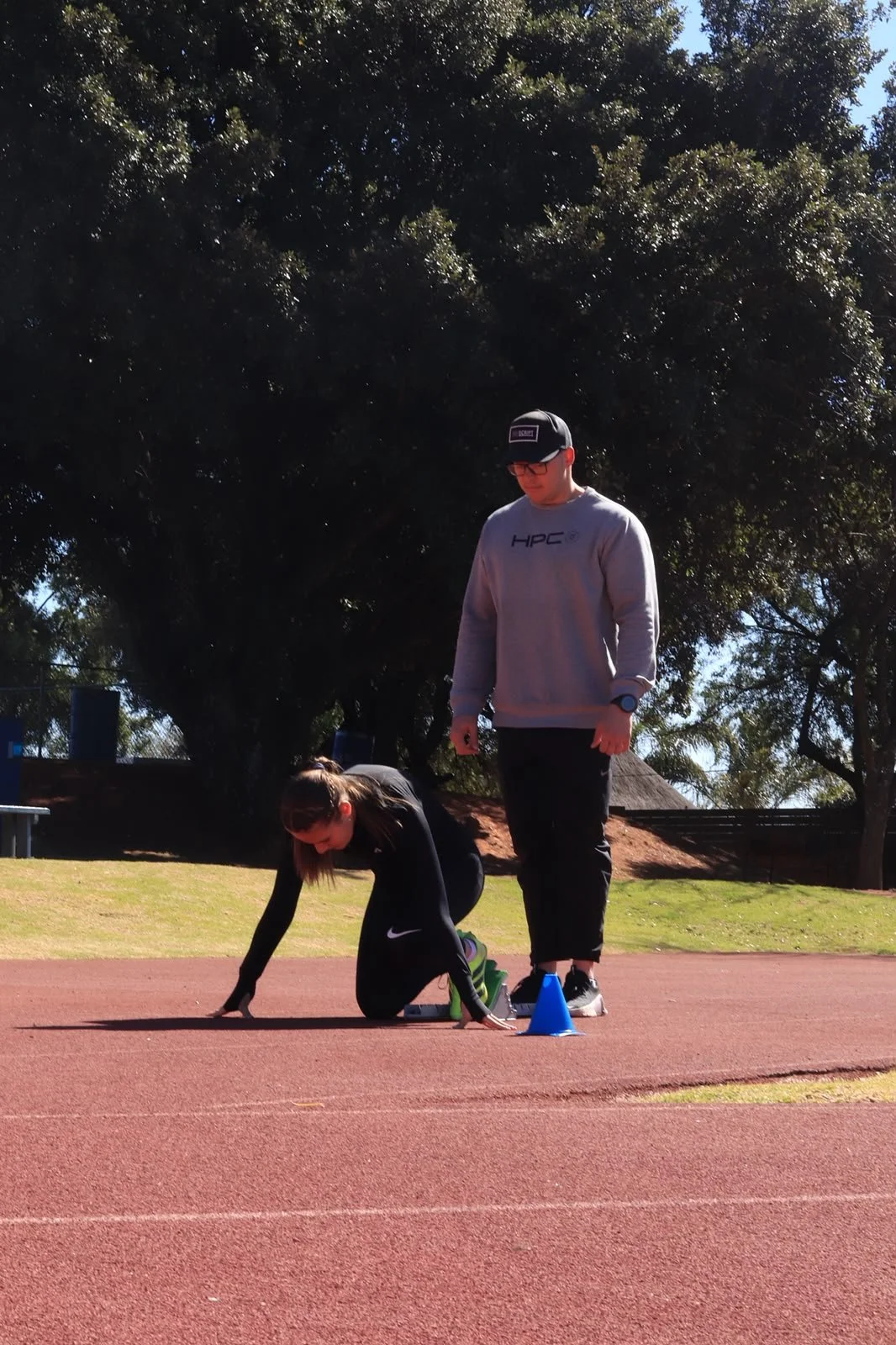
HPC Speed School is designed for committed athletes between approximately 13 and 18 years of age who compete in sports where acceleration, speed, and change of direction directly influence performance.
Whether the goal is school selection, provincial representation or preparing for higher levels of competition, every athlete follows the same structured development philosophy.
Sports commonly represented include:
Rugby
Football
Soccer
Hockey
Netball
Cricket
Athletics
Basketball
Tennis
Padel
Volleyball
Whether the goal is school selection, provincial representation or preparing for higher levels of competition, every athlete follows the same structured development philosophy.
Every Athlete Begins With An Assessment
Because progress should be measured—not assumed.
Before an athlete can improve, we first need to understand what is limiting performance.
Every athlete entering HPC Speed School begins with a comprehensive Speed Assessment that establishes an objective baseline across movement quality, sprint mechanics, and athletic readiness. Rather than relying on assumptions, we assess the physical qualities that influence athletic speed and use those findings to guide every stage of development.
The assessment includes:
Sprint Mechanics Analysis
Movement Quality Assessment
Mobility Screening
Force Production Evaluation
Acceleration Assessment
Deceleration Assessment
Change of Direction Evaluation
Performance Consultation
Assessment is only the beginning.
Every athlete undergoes scheduled re-assessments throughout their development, allowing both athlete and coach to measure progress objectively over time. Improvements are demonstrated through data—not perception—ensuring every stage of development is informed by evidence rather than guesswork.
Assessment before prescription.
Data before assumption.
Progress before prediction.
Structured Coaching. Measurable Progress.
HPC Speed School operates as a membership programme because meaningful athletic development requires consistency.
Membership includes:
Structured weekly coaching
Progressive programming
Performance tracking
Scheduled re-assessments
Access to the HPC Speed System
Coaching from HPC Performance Specialists
Athletes don't simply attend sessions.
They become part of a structured development system designed to improve performance over time.
SPEED SCHOOL MEMBERSHIP
| Membership Option | Investment | Includes | Designed For |
|---|---|---|---|
| HPC Speed School Membership | R 1,000 per month |
|
Athletes seeking specialist speed development without enrolling in the full HPC Sports Performance programme. |
| Sports Performance Member Upgrade | R 750 per month |
|
Existing HPC Sports Performance athletes who want to add specialist speed coaching as part of their long-term athletic development. |
Why HPC Speed School Exists
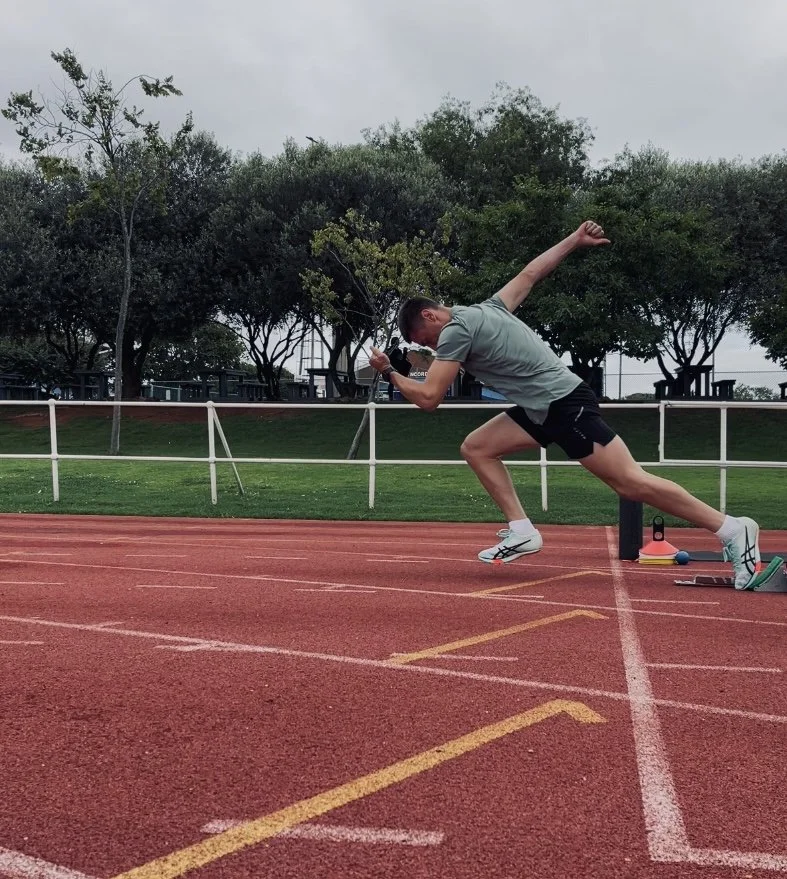
Speed Is Developed. Through assessment. Through coaching. Through consistent progression.
South Africa has no shortage of talented young athletes. What it lacks is consistent access to specialist speed development.
Many athletes spend years trying to become faster by running more sprints, adding conditioning sessions or simply training harder. While school and club environments play an important role in athletic development, speed is often only one component of a much broader programme. Few athletes receive dedicated coaching in sprint mechanics, acceleration, deceleration, force production and the movement qualities that underpin athletic speed.
As a result, progress often plateaus—not because athletes lack commitment, but because the factors limiting performance have never been identified or systematically developed.
HPC Speed School was created to bridge that gap.
Our purpose is to provide ambitious athletes with access to specialist speed coaching through a structured system that combines expert coaching, objective assessment and measurable progression. Rather than leaving speed to chance, we develop the qualities that produce it.
Because talent may influence potential.
Coaching determines how much of that potential is realised.
The HPC Speed System
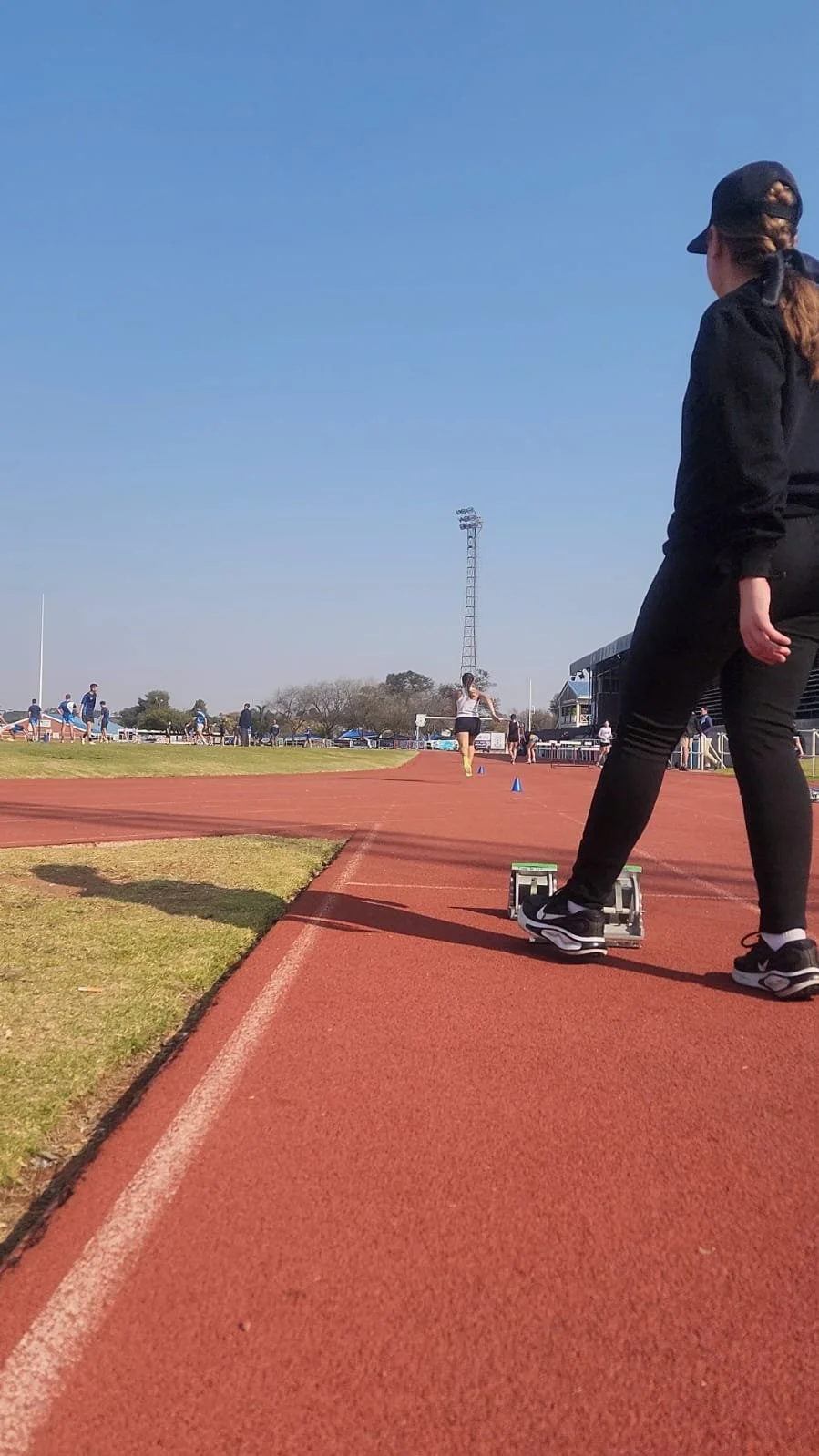
Every athlete follows the same structured development pathway.
Assess
Establish an objective baseline across movement quality, sprint mechanics and athletic readiness.
Analyse
Identify the biomechanical, technical and physical factors limiting speed development.
Develop
Apply progressive coaching based on the athlete's individual profile, focusing on the qualities that influence speed and athletic performance.
Measure
Track progress through scheduled re-assessments and objective performance data, ensuring development continues in the right direction.
Every athlete follows the same process.
Every decision is guided by assessment.
Every stage is measurable.
Questions We're Often Asked
-
There is rarely a single reason. Speed is influenced by a combination of sprint mechanics, force production, movement quality, coordination, mobility, strength and training history. Many athletes work harder but continue to plateau because the factors limiting their performance have never been properly assessed. At HPC Speed School, every athlete begins with an assessment to identify those limitations before training begins.
-
Genetics influence an athlete's potential, but speed is also influenced by many trainable qualities. Sprint mechanics, force production, movement efficiency, coordination and strength can all be developed through structured coaching. While every athlete has a different ceiling, most athletes can improve their speed when the right qualities are trained consistently.
-
School and club training are designed to prepare athletes for competition across many aspects of their sport. Specialist speed development requires dedicated coaching that most team environments simply don't have the time to provide. HPC Speed School complements existing training by focusing specifically on the movement qualities, sprint mechanics and physical capacities that underpin speed and athletic performance.
-
Not always. Sprinting is important, but simply increasing sprint volume doesn't guarantee improvement. Many athletes are limited by factors such as inefficient mechanics, poor force production, reduced mobility or ineffective movement patterns. Improving these underlying qualities often has a greater impact than simply running more repetitions.
-
There is no single age that suits every athlete. The right time depends on physical maturity, movement competency, coachability and training history. HPC Speed School is primarily designed for committed athletes between 13 and 18 years of age, with coaching always tailored to the individual's stage of development rather than age alone.
-
Every athlete develops at a different rate. Factors such as training history, movement quality, consistency, growth and physical maturity all influence progress. Some athletes notice improvements within weeks, while others require a longer period of structured development. Our focus is on measurable, long-term improvement rather than short-term gains.
-
Progress shouldn't be based on opinion. Athletes are reassessed throughout their development using objective performance measures, allowing coaches and families to track improvements over time. This data helps guide future coaching decisions and provides a clear picture of each athlete's progress.
-
No. While many athletes aspire to provincial or professional sport, our goal is to help every athlete maximise their potential. Improved speed, movement quality, coordination and physical confidence benefit athletes at every level of competition, from school sport through to elite performance.
-
Being naturally quick doesn't mean an athlete has reached their potential. Even high-performing athletes often have opportunities to improve acceleration, maximum velocity, deceleration, movement efficiency or sprint mechanics. Structured coaching helps ensure those qualities continue to develop as competition becomes more demanding.
-
Effective coaching begins with understanding the athlete in front of you. An assessment provides the information needed to identify strengths, limitations and opportunities for improvement before training starts. This allows coaching to be guided by objective findings rather than assumptions, helping athletes train with greater purpose and direction.
-
It depends on your child's goals.
HPC Speed School is designed for athletes who want to improve the physical qualities that underpin speed, including sprint mechanics, acceleration, deceleration and movement efficiency. For many athletes, this specialist focus is exactly what's needed.
For athletes with higher performance ambitions, combining Speed School with the HPC Sports Performance Pathway provides a more comprehensive approach to athletic development. While Speed School focuses specifically on developing speed, the Sports Performance Pathway addresses the broader physical qualities required for long-term success, including strength, power, mobility, resilience and overall athletic performance.
Together, the two programmes provide a structured development pathway where improvements in speed are supported by the physical foundations needed to perform consistently and reduce the risk of injury.
The right starting point depends on the athlete's current needs, sporting demands and long-term goals. This is one of the reasons every athlete begins with an assessment—to determine the most appropriate pathway for their development.
