About us

The Creation Of HPC
The Human Performance Centre was not built overnight. It was not built from a business plan.
It was built from a question that would not go away: How do I actually help people, and why are there no real standards for personal training in South Africa?
I did not wait after school. Strength and conditioning were the goals. The moment I could, I started. Other paths appeared. Other demands came. But this industry does not let go of you once you belong in it. I never left.
I was drawn to how the body works, why it breaks down, and what it can do when treated with precision. That focus became a career. It became a calling.
For years, I trained under local certifications and diplomas. I learned the frameworks, passed the assessments, and ticked the boxes, but something was missing. I could move people, but I could not always explain why one approach worked and another did not. That gap drove me to take my education abroad and study applied biomechanics and functional anatomy at a level that changed my standards.
I brought that knowledge home. The Human Performance Centre started in a 6 by 3 metre garage, with borrowed equipment and no advertising budget. Only referrals, results, and commitment.
The mission has never changed: to simplify the art of human movement and performance. To give every client, from the professional athlete to the first-time visitor, a system built for them. Grounded in science. Delivered with care.
The Dream
The dream is simple. The work is not.
To make HPC the standard for performance training in South Africa and beyond.
Not the biggest. Not the loudest. The most trusted.
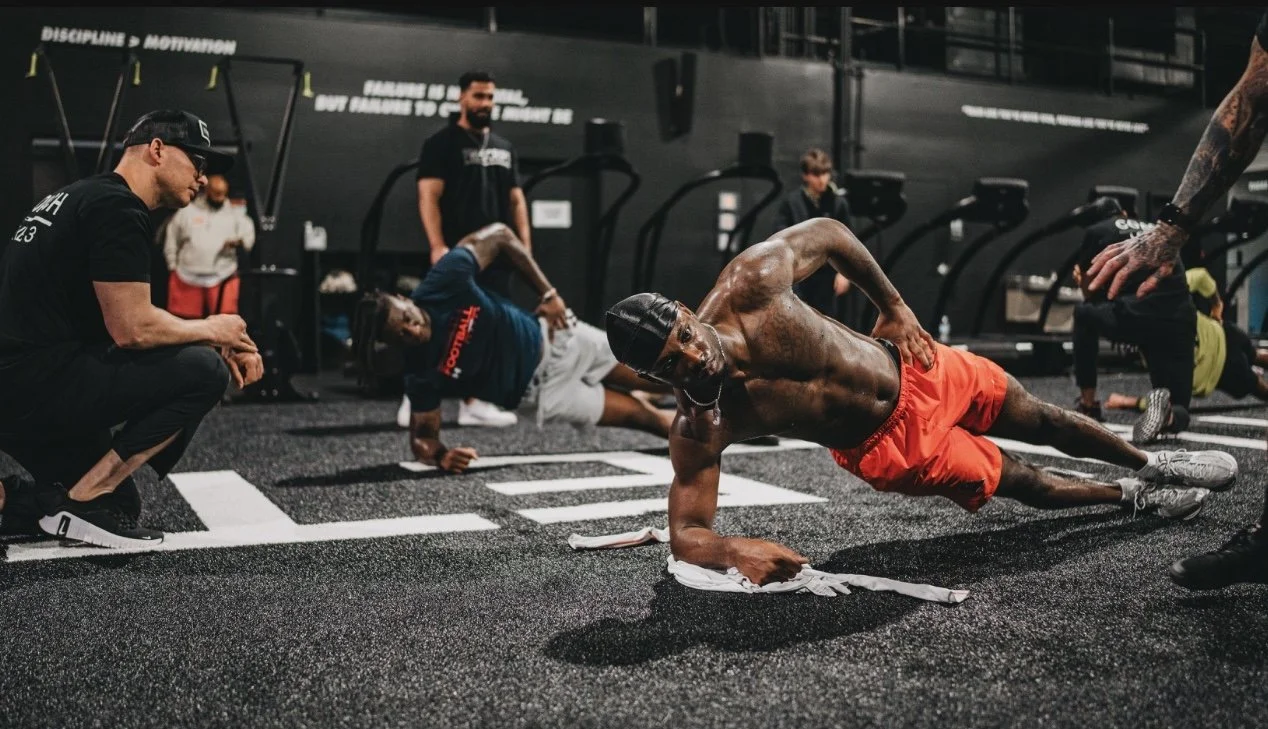
The place practitioners, athletes, and everyday people point to when they want to know what great training actually looks and feels like. We are building a facility that reflects our standards. A world-class environment where elite athletes and everyday people train together. Where education is ongoing. Where earned excellence runs through every programme, every session, every conversation.
We graduate coaches who carry that standard forward into gyms, clinics, sports teams, and communities that have never had access to this level of thinking. South Africa does not need to look elsewhere for world-class performance methodology. It is built here. Every day.
HPC For South Africa
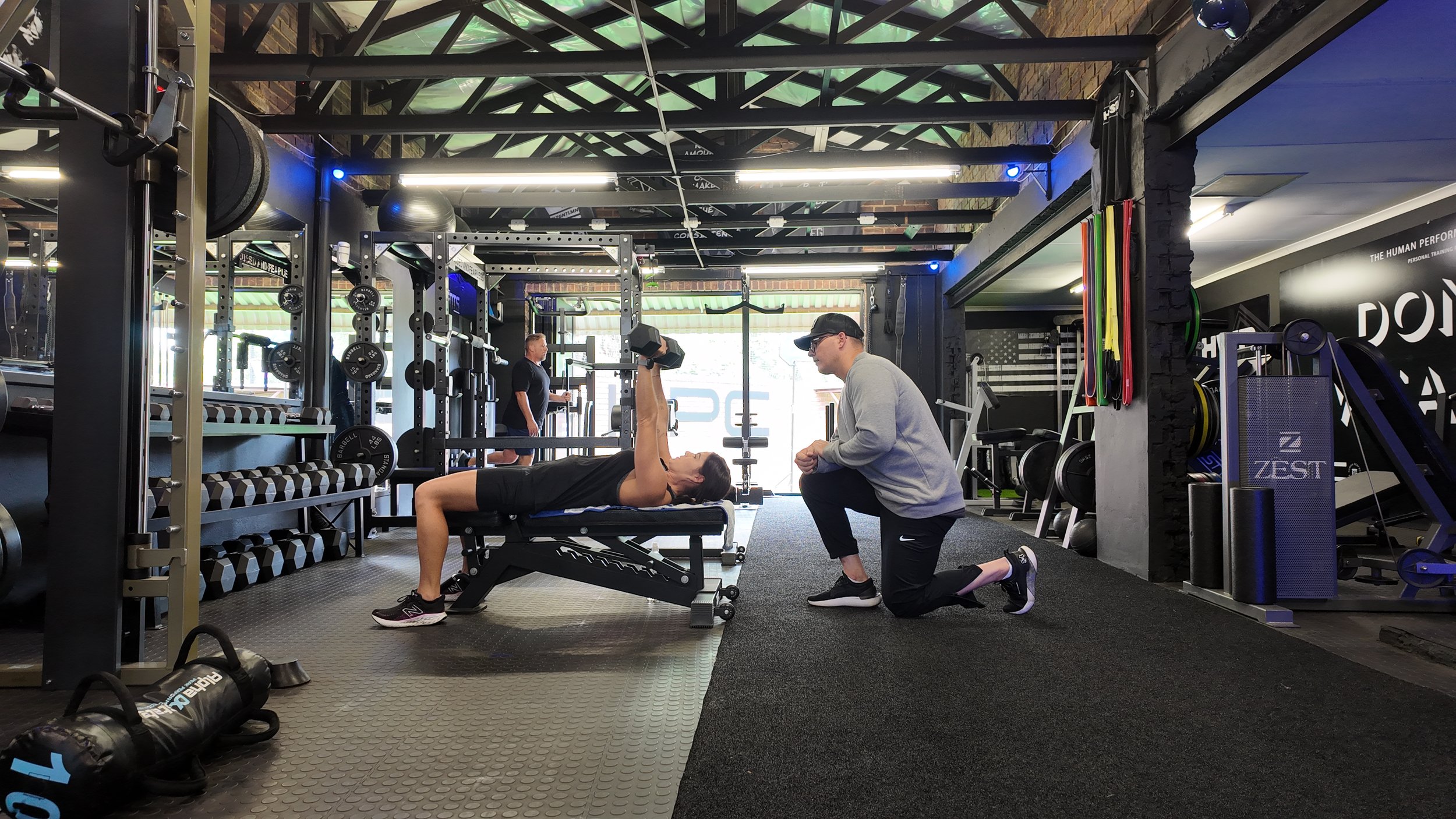
South Africa has incredible athletic talent. What it has lacked is infrastructure: the systems, the science, and the methodology to develop that talent properly.
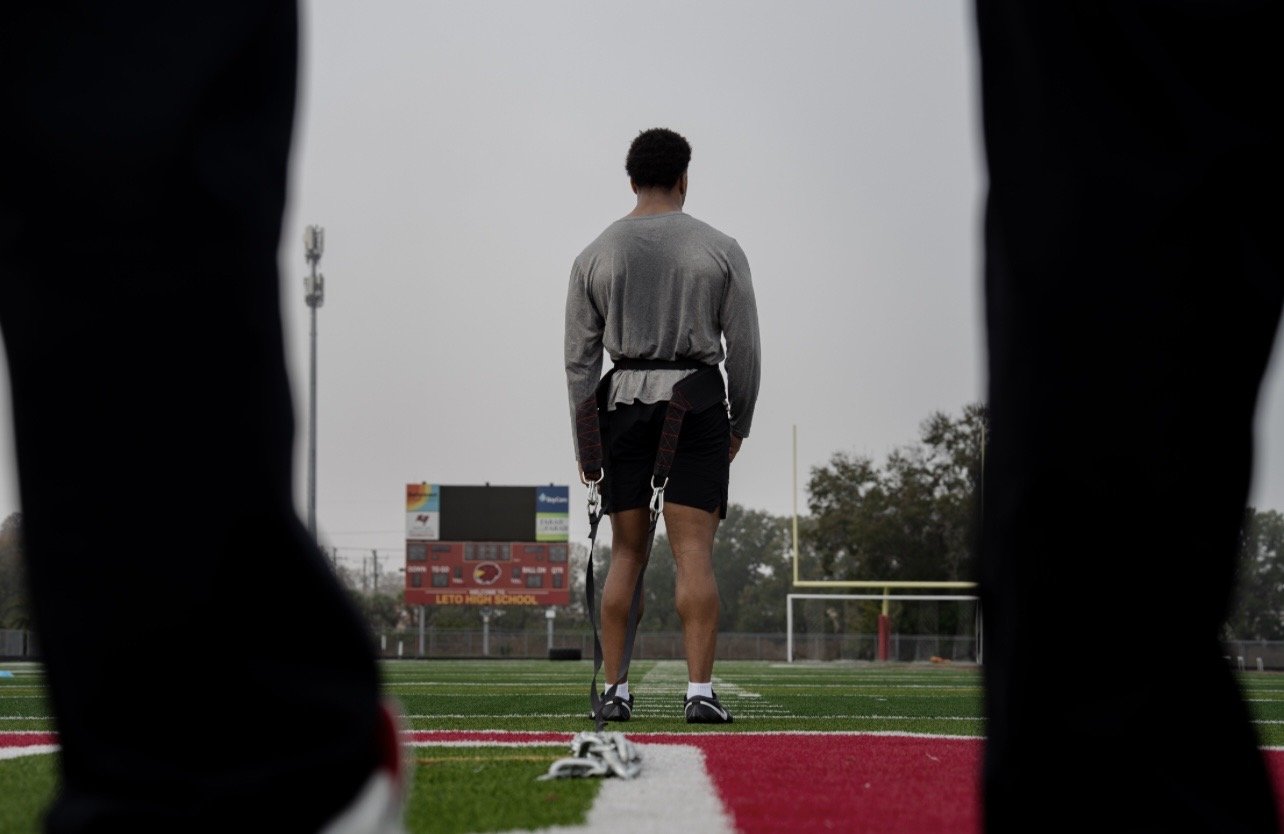
For too long, elite-level thinking in strength and conditioning has been imported. You either left the country to access it or made do without it. HPC changes that. We prove that precision performance training, the kind that produces NFL athletes, URC rugby players, and national-level competitors, can be developed and delivered here. Not just for the elite. Our model translates across populations: professional, recreational, injured, and thriving.
We are building a culture shift. A generation of coaches, athletes, and clients who understand that training is not punishment. It is a science. The body responds to precision, not just volume.
Longevity and performance are not opposites. When that thinking takes root, the landscape lifts.
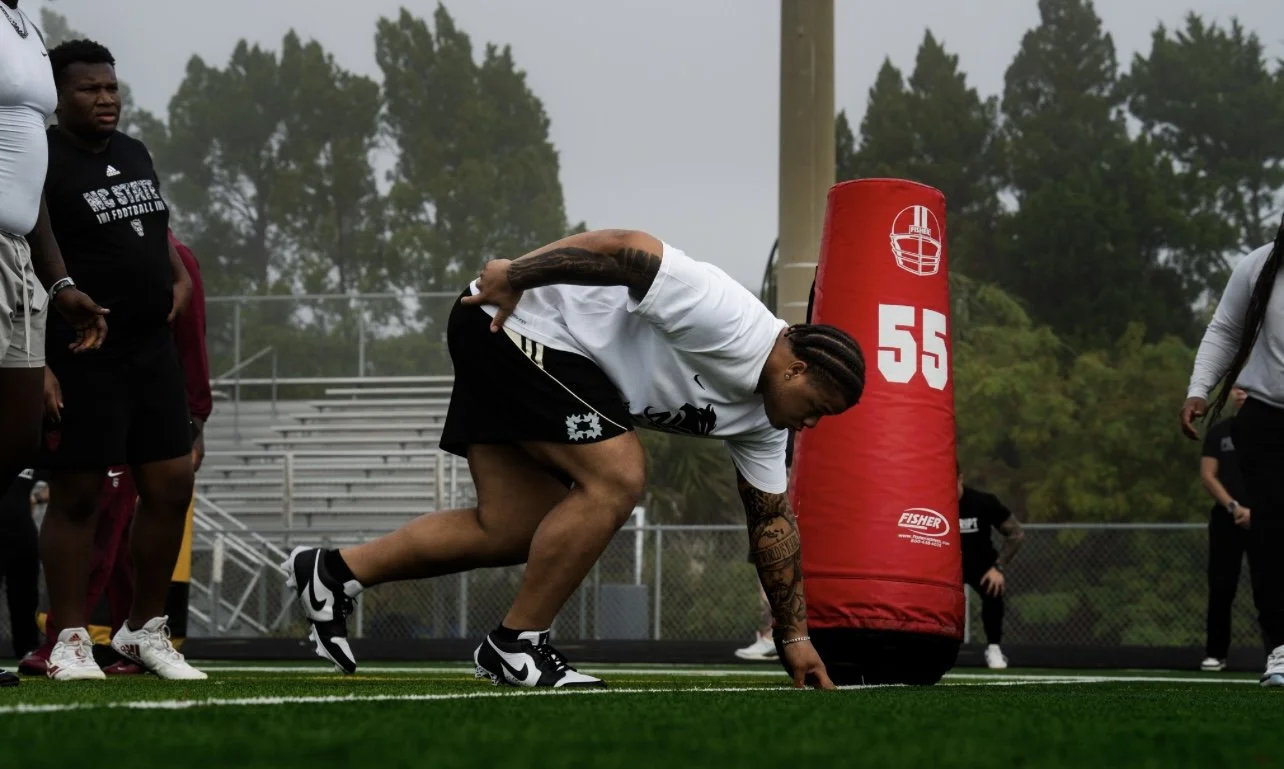
The methodology at HPC is principle-based. We integrate applied biomechanics and functional anatomy. This is the standard developed in elite American strength and conditioning environments and refined through direct mentorship under leading practitioners.
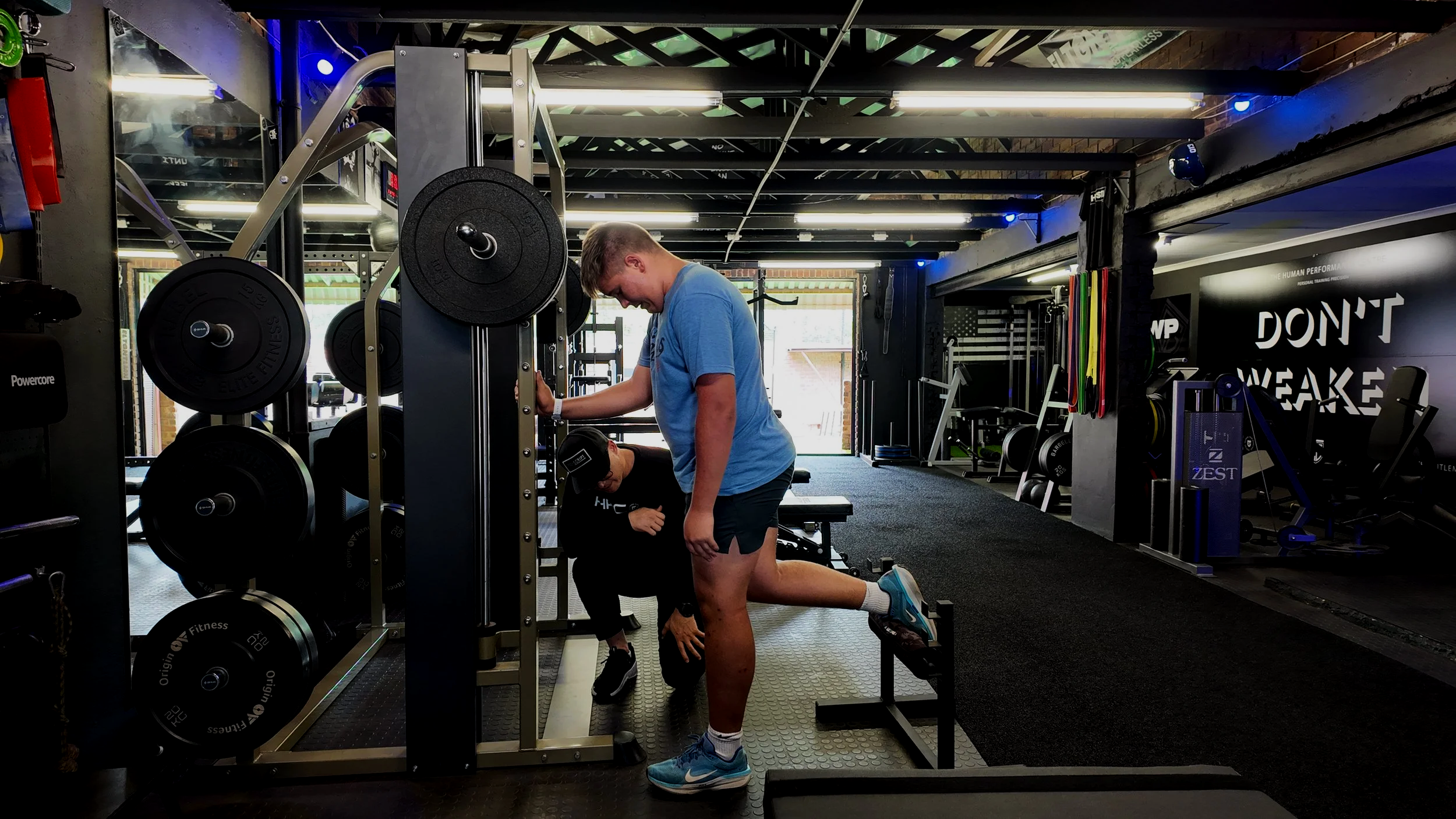
This means a structural and functional approach to the body that goes beyond sets and reps. We assess flat-foot pressure, ground-contact mechanics, scapular control, and joint centration before loading. We understand length-tension relationships and arthrokinematics well enough to build programmes that do not just make people fitter. They make people more durable.
In US professional sport, this is baseline. In South Africa, it is still rare. We are changing that by building the capability locally.
Training it into our coaches. Embedding it into every assessment and programme we produce.
What HPC Brings To The Table
The HPC Difference
Most gyms sell sessions. We deliver movement solutions. The difference is everything. A session gets you tired. A system gets you results.
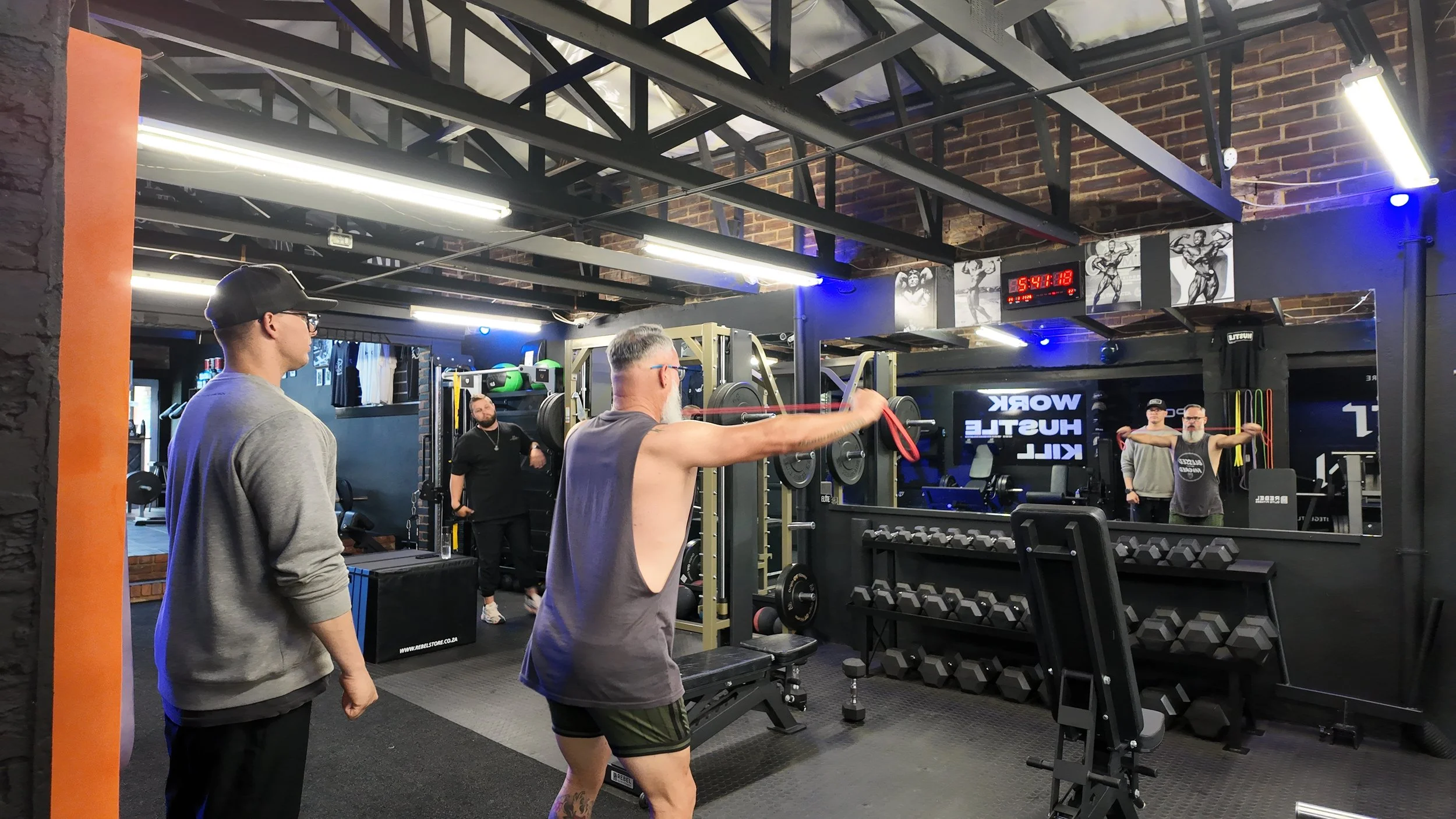
At HPC, no one walks in and gets a generic programme. Every client goes through a structured assessment. We look at how you move, where you compensate, and what your body is actually doing versus what you think it is doing.
Then we build from that. Not from a template. From you.
After more than a decade, I have seen what happens when people train without a foundation. I have seen what happens when they train with it. The difference is clear. It shows up in performance, in how the body ages, in how injuries stop recurring, and in how people move through their lives, not just their workouts. We hold ourselves to a standard that most facilities don't bother with.
How do you know there is a standard if you’ve never seen it?
Our Culture
HPC is not for everyone. We are comfortable with that.
(But, it should be)
This is a place built on earned excellence.
Not entitlement.
Not shortcuts.
Not the idea that 30 days will undo 10 years. What you earn here, you keep. It was built properly from the ground up.
The culture is precision and honesty. We tell you what we see. We tell you what needs to change. Then we build the path to get there with you, step by step, without drama and without ego.
We train professional athletes and first-time clients in the same week. What they share is a willingness to be coached, respect for the process, and an understanding that real results require real work. When you find a room of people who hold each other to that, it stops feeling like training and starts feeling like something worth protecting.
That is the HPC culture. Quiet. Serious. Results-driven. Proud of the standard we have built together.
Why Do Medical Practitioners Partner With Us
Physios, biokineticists, chiropractors — you're doing exceptional work. You're clearing pathology, restoring function, getting people out of pain. And then those patients walk out of your rooms and into training environments that undo half of what you just achieved.
We've both seen it happen. That's the gap a clinical partnership with HPC closes.
We speak your language. Our approach to the body is structural, joint-centred, and rooted in the same functional anatomy you work in every day. When a client crosses over from your care to ours, nothing gets lost in translation — because we've built our methodology to sit alongside clinical practice, not in opposition to it.
What we offer your patients is a structured, monitored return to performance. Not a generic gym programme, but a precision-built training environment that respects the work you have done and builds on it correctly. We offer you a partner you can refer to with confidence, knowing the standard on the other side reflects well on your care. When those two environments are aligned, patients get outcomes that neither of us could produce alone. That's worth a conversation.
Personal Training Precision — PTP
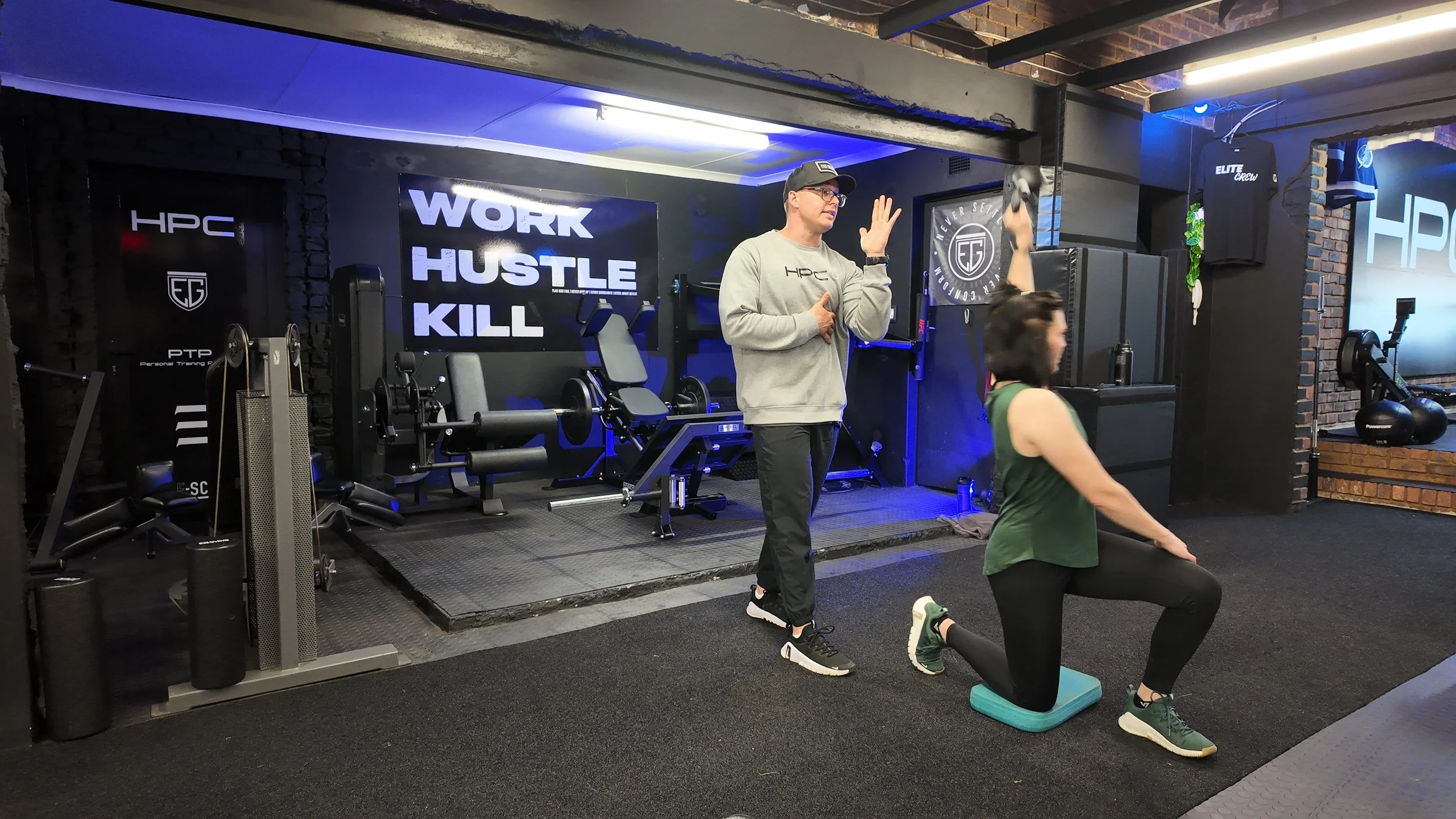
This programme exists because I lived the gap between certification and competence. I qualified. I passed. And then I stood in front of a client and realised I still didn't fully know how to read a body and make the right call in real time.
PTP is built to close that gap.
It's not another certification factory. It's a coach school — one that trains. We train practitioners to think, not just follow outdated protocols. We go deep into applied biomechanics, functional movement assessment, programme design, and client communication that produces change. Graduates leave not just qualified, but capable. How to solve movement problems – not just make people sweat.
The standard inside HPC is the standard we teach through PTP. The industry does not need more average coaches. It needs coaches who can look at any client, in any condition, and know exactly how to help them move, perform, and live better.
Our profession will always be needed. Very few people understand this. Technology will continue to change how people access fitness information.
Apps, AI, and online programmes — all will keep improving. None of it will replace the trained eye of a great coach working with a real human body. They don't fail because they lack information. They fail because they can't apply the information to themselves — to their specific movement patterns, injury history, psychology, and life.
That's not a data problem. That's a human problem, and it requires a human solution.
A great personal trainer isn't just a motivator or a session counter. They are a diagnostician and problem solver in real time. They adjust what an algorithm cannot.
They build the kind of trust that makes a person show up on the days they do not want to, and get more out of those days than any other. As long as people have bodies, great coaching will matter. That is not a trend. That is a constant.
Why Trainers Need Our Courses
If you have been coaching for a while and still feel like something is missing, or you are getting results but do not know why, that feeling matters. Don't dismiss it.
That's the gap PTP exists to fill. We're not here to criticise the training you've already done. We're here to give you the foundation underneath it.
The biomechanical understanding that makes everything else make sense. The assessment skills that let you look at any client and know what to do first, second, and why.
Coaches who go through PTP do not just become more capable. They become more confident. They stop guessing. They stop hoping the programme works. They know it will, because they understand why it is built the way it is.
The industry needs coaches at that level. If you want to be one of them, and you are willing to do the work to get there, PTP was built for you.
The Difference Is Application
The framework on this page explains how we think.
It shows the principles that guide our coaching, our assessments, and the decisions we make with clients every day.
But knowing the principles is only one part of the process. Most people already know that sleep matters. Hydration matters. Nutrition matters. Training matters.
The problem is rarely a lack of information. The challenge is understanding what is limiting progress, what needs attention first, and what will create the greatest return for the individual.
That is why assessment comes first. No two people arrive with the same injury history, movement patterns, training background, lifestyle demands, or goals. What works well for one person may be completely inappropriate for another.
Coaching is not about applying a system to a person. It is about understanding the person first.
At HPC, we assess before we prescribe. We look at structure before chasing performance. We identify limitations before adding intensity. We solve the problem in front of us instead of assuming the answer.
We assess.
We interpret.
We coach.
We correct.
We progress.
The framework helps us ask better questions. Experience helps us find the right answers. That is where results are built.