
THE HPC PERFORMANCE FRAMEWORK & METHODOLOGY
Performance Starts With Understanding
Performance is not built on guesswork. It starts with understanding how the body is designed to function, what influences it daily, and what may be limiting it from performing at its best. The HPC Framework provides the structure behind everything we do. It combines assessment, biomechanics, movement, lifestyle, and coaching principles into a clear system that helps us understand the individual in front of us before making decisions about training, recovery, or performance.
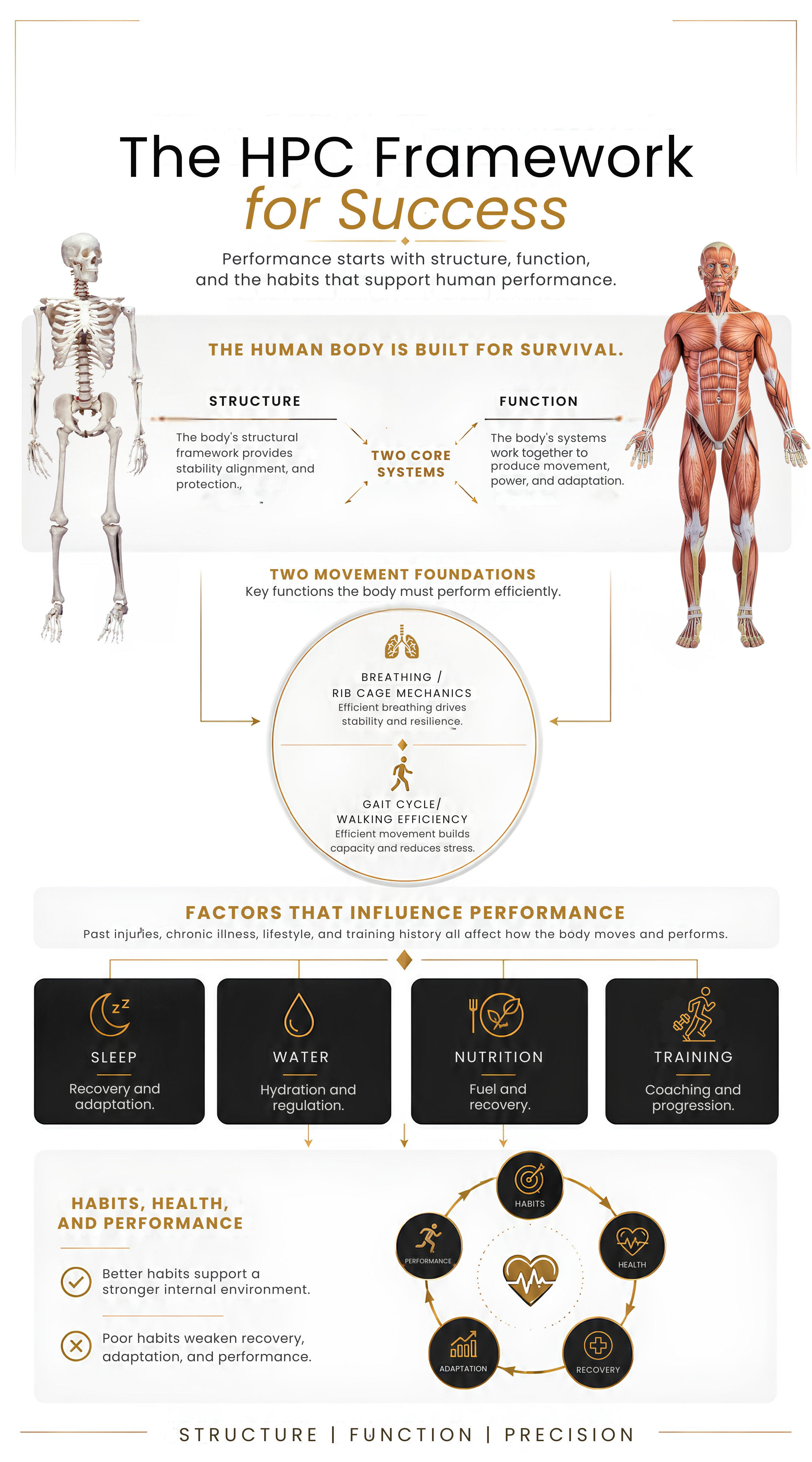
The body is built on structure and function
Most people think about the body in terms of what it looks like.
We think about it in terms of what it's designed to do.
There are two sides we look at when it comes to understanding the human body.
The Structure side (the skeleton) and the Function side (the systems that make the skeleton move).
Every bone, every joint, every muscle attachment exists for a reason. The skeleton isn't just a frame — it's a blueprint. And when you understand that structure, you start to understand function. Not in an abstract, textbook way, but in a practical, real-world way that changes how you look at every client who walks through the door.
Here's the key distinction we hold onto: structure indicates function — it doesn't dictate it.
Your anatomy tells us what your body is built to do and where it's currently falling short of that. But it doesn't tell us you're limited. It tells us where to start. The skeleton creates context. Everything built on top of it — the muscles, the fascia, the nervous system, the movement patterns you've developed over a lifetime — that's where the real story lives.
And that story is often changeable, trainable, and improvable when you know how to read it.
This is why we never skip the in-depth assessment process every client and athlete alike goes through. It's not a formality. It's the foundation of everything that follows.
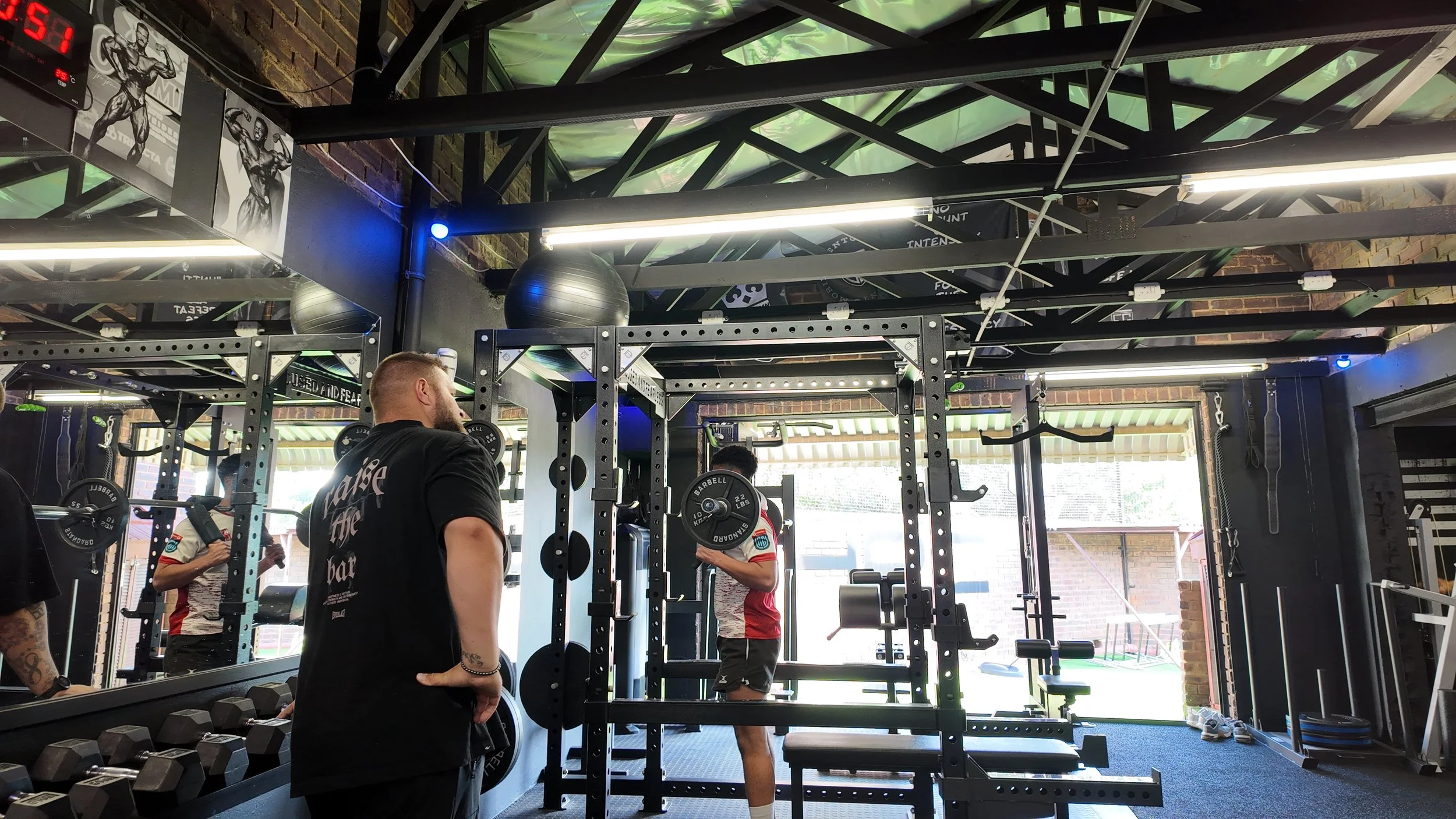
Movement depends on breathing and walking
Before we talk about squats, sprints, or any performance goal — we talk about breathing and walking. Because if those two things aren't working efficiently, nothing built on top of them will be either.
Breathing and gait (Fancy word for how you walk) are your body's two most fundamental movement patterns. You perform tens of thousands of repetitions of each, every single day, whether you're in a gym or not. That means if there's a dysfunction in either — a faulty breathing pattern, an inefficient gait/walking cycle, a compensation that's quietly been running in the background for years — you're reinforcing it constantly. Long before you picked up a weight. Long before you started training.
The body is wired for survival before performance.
When something in your mechanics doesn't align with the demands your body needs to meet, it adapts around the problem. It finds a way to keep you moving, often by creating compensations that solve one problem while creating another.
But those compensations accumulate.
They load structures that weren't designed to carry that load. They create tightness in places you keep trying to stretch, weakness in places you keep trying to strengthen — and nothing seems to change because you're addressing the symptom, not the source.
When we get breathing mechanics and gait working properly, the downstream effect on the rest of the body is significant.
Things that felt stuck begin to move.
Patterns that seemed chronic begin to shift.
It's not magic — it's just working from the right starting point.
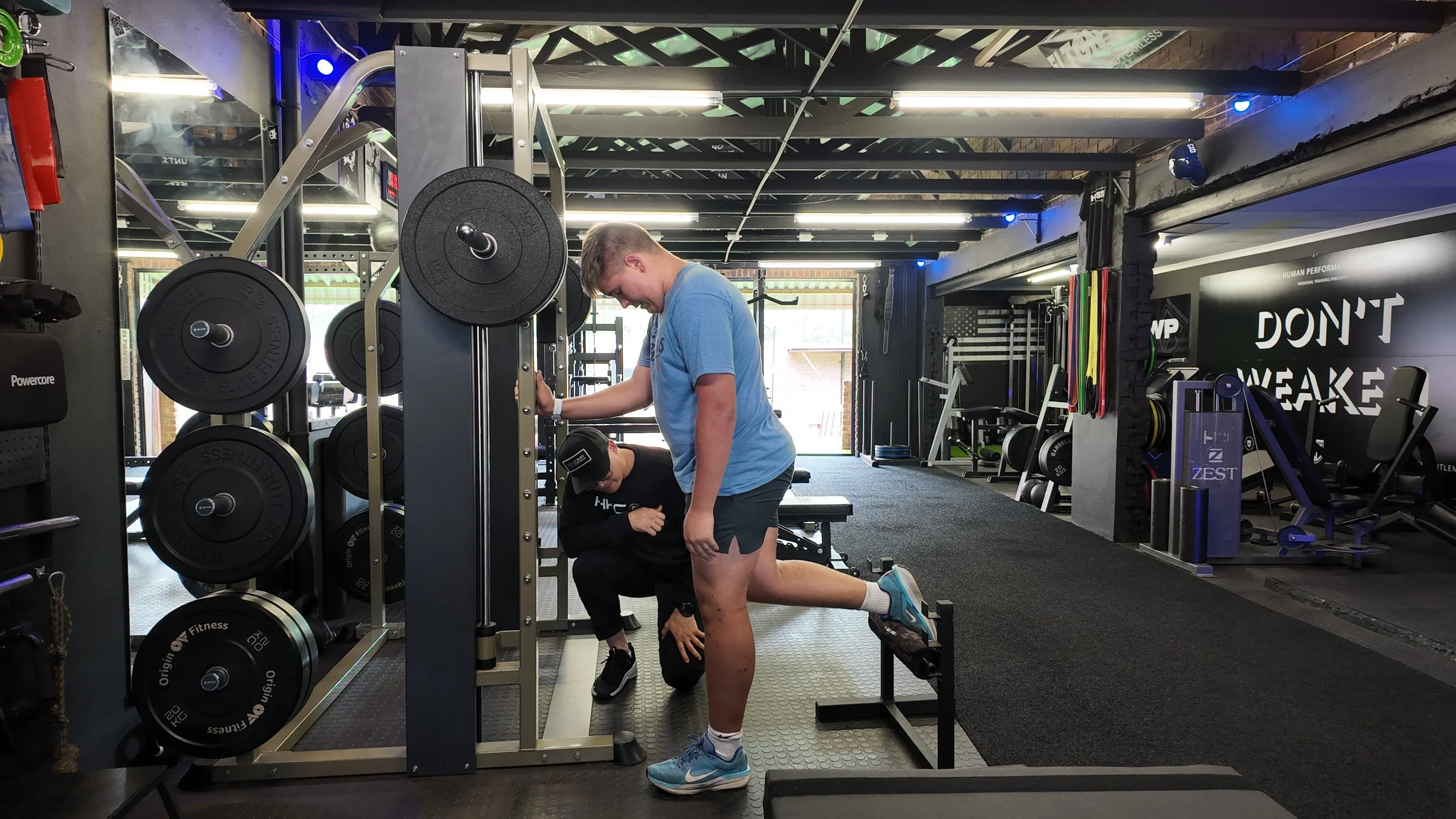
History matters
Most people think about the body in terms of what it looks like.
We think about it in terms of what it's designed to do.
There are two sides we look at when it comes to understanding the human body.
The Structure side (the skeleton) and the Function side (the systems that make the skeleton move).
Every bone, every joint, every muscle attachment exists for a reason. The skeleton isn't just a frame — it's a blueprint. And when you understand that structure, you start to understand function. Not in an abstract, textbook way, but in a practical, real-world way that changes how you look at every client who walks through the door.
Here's the key distinction we hold onto: structure indicates function — it doesn't dictate it.
Your anatomy tells us what your body is built to do and where it's currently falling short of that. But it doesn't tell us you're limited. It tells us where to start. The skeleton creates context. Everything built on top of it — the muscles, the fascia, the nervous system, the movement patterns you've developed over a lifetime — that's where the real story lives.
And that story is often changeable, trainable, and improvable when you know how to read it.
This is why we never skip the in-depth assessment process every client and athlete alike goes through. It's not a formality. It's the foundation of everything that follows.
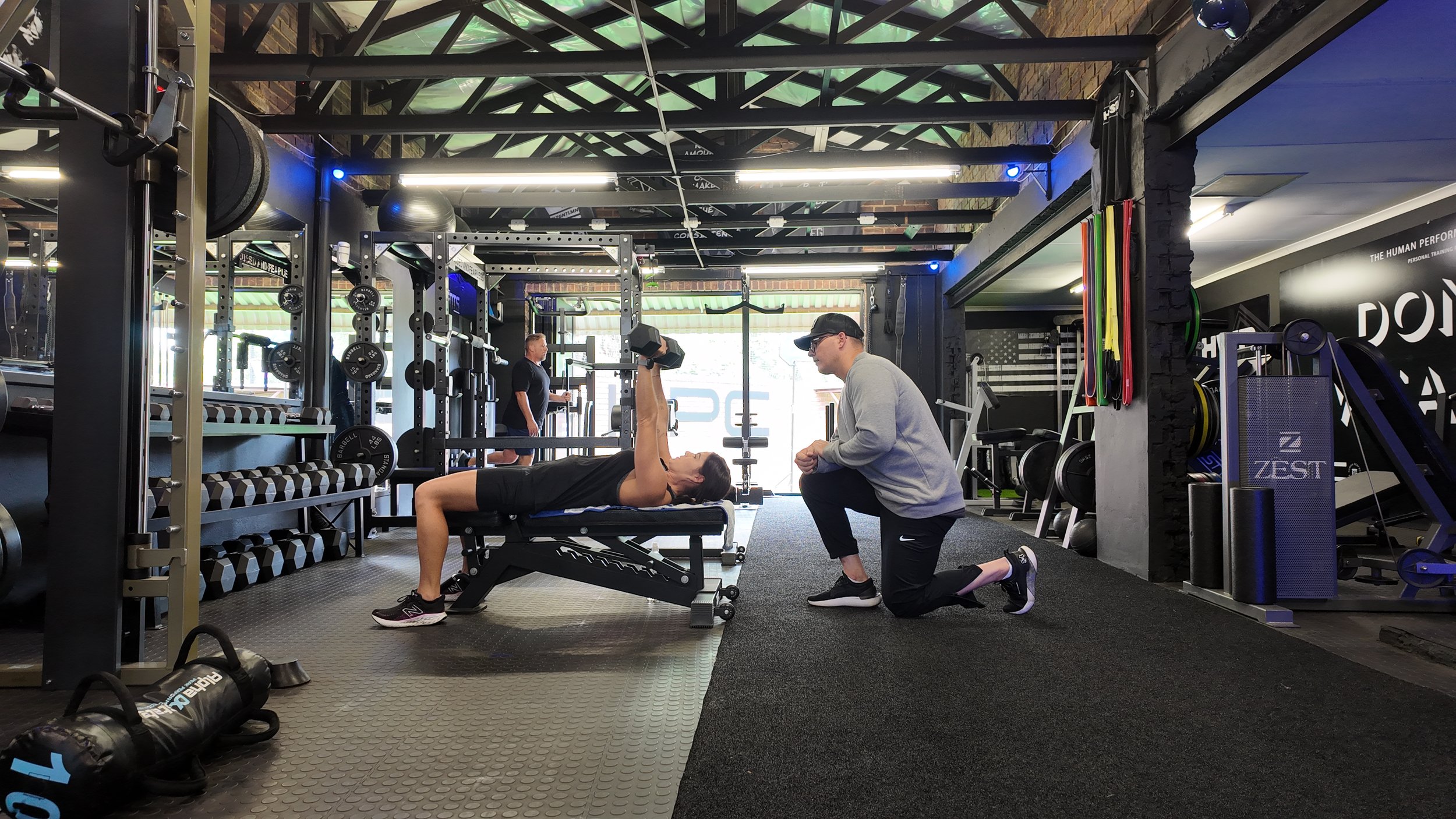
The four pillars that are in our control
Most people think about the body in terms of what it looks like.
We think about it in terms of what it's designed to do.
There are two sides we look at when it comes to understanding the human body.
The Structure side (the skeleton) and the Function side (the systems that make the skeleton move).
Every bone, every joint, every muscle attachment exists for a reason. The skeleton isn't just a frame — it's a blueprint. And when you understand that structure, you start to understand function. Not in an abstract, textbook way, but in a practical, real-world way that changes how you look at every client who walks through the door.
Here's the key distinction we hold onto: structure indicates function — it doesn't dictate it.
Your anatomy tells us what your body is built to do and where it's currently falling short of that. But it doesn't tell us you're limited. It tells us where to start. The skeleton creates context. Everything built on top of it — the muscles, the fascia, the nervous system, the movement patterns you've developed over a lifetime — that's where the real story lives.
And that story is often changeable, trainable, and improvable when you know how to read it.
This is why we never skip the in-depth assessment process every client and athlete alike goes through. It's not a formality. It's the foundation of everything that follows.
HPC applies principles
Trends come and go.
Programmes cycle in and out of fashion. Twelve-week transformations are a good example.
New methods get branded, marketed, and eventually replaced by the next thing.
What doesn't change — what has never changed — is how the human body actually works.
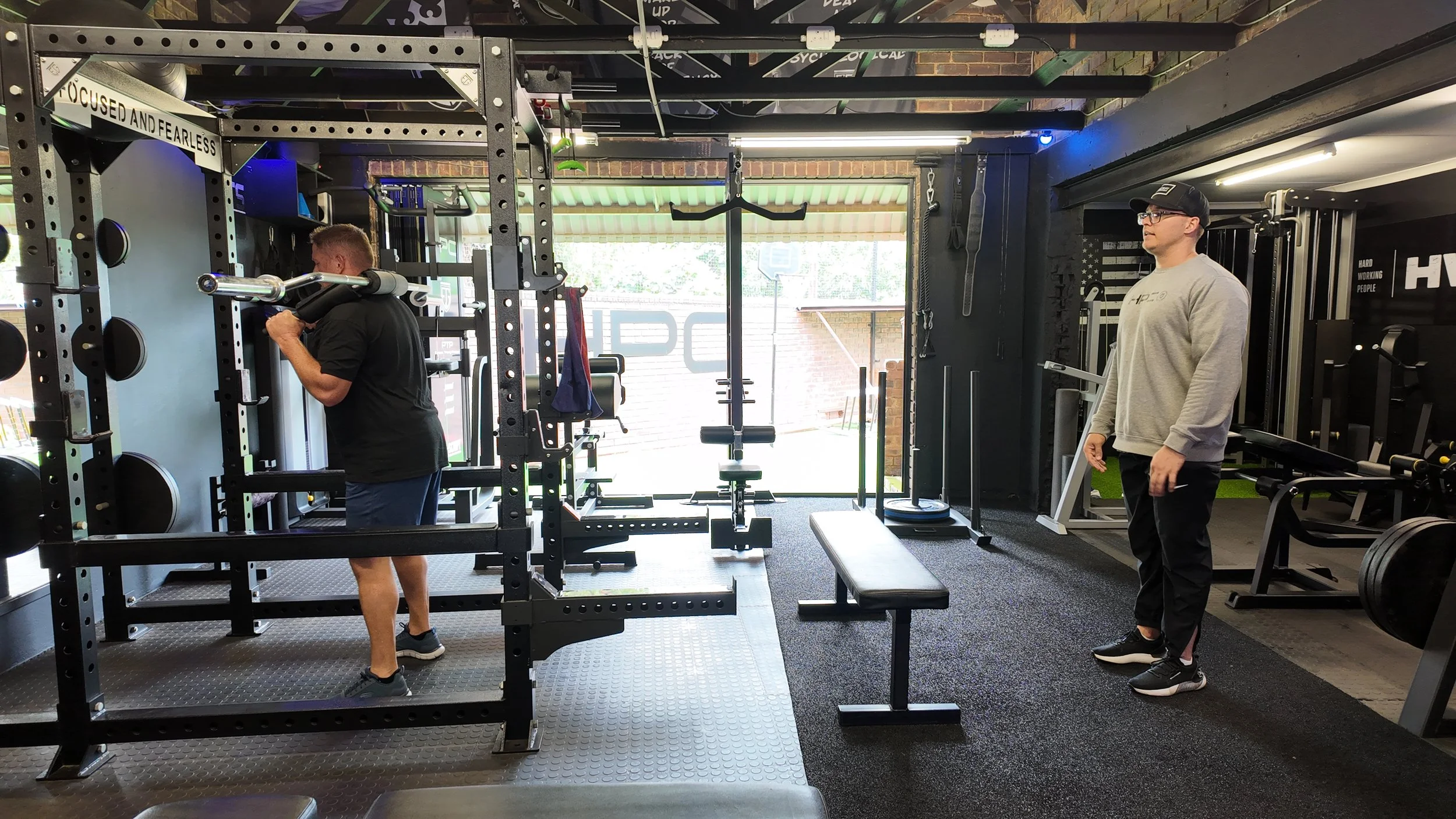
At the HPC, we work from principles.
The biomechanical principles governing how joints load and move. The physiological principles governing how the body adapts to stress and recovers from it. The structural principles that tell us what a body in proper alignment looks like, and what it looks like when it's compensating.
These aren't new ideas.
They're tried, tested, and proven over decades of learning what it means to truly understand applied biomechanics and functional anatomy.
What we've done is build a methodology around them — a systematic process that allows us to take any individual in front of us and work out precisely what they need. In assessment, we're reading the body. In coaching, we're applying what we read. In correction, we're addressing what's limiting progress. And in programme design, we're building something that accounts for all of it.
The result is precision.
Not because we follow a rigid script, but because our methodology gives us the framework to make the right decision for the right person at the right time — every time.
We simplify the art of human movement and performance.
We offer solutions to complex movement dysfunction.
That's not something you can shortcut.
It's something you build, rep by rep, client by client, year by year.
Why others struggle to replicate what we do
We've had coaches and facilities look at our framework and feel like they understand it.
And on paper, they might.
The structure is there.
The terminology is there.
The sequence makes sense when you read it.
But the framework without the eye is just a document.
What makes HPC different isn't what's written down — it's what's been internalised over a decade of watching real bodies move, respond, resist, and adapt.
The trained eye we've developed isn't something you acquire from a course or a manual. It comes from thousands of hours of assessment, from patterns recognised and re-recognised until they become instinct, from getting things right and occasionally getting things wrong and understanding exactly why in both cases.
The other thing that separates us is what happens in the moment.
A programme is a plan, not a law.
The best coaches in the world know that how you execute on any given day depends entirely on what the client or athlete in front of you actually needs that day — not what was scheduled six weeks ago.
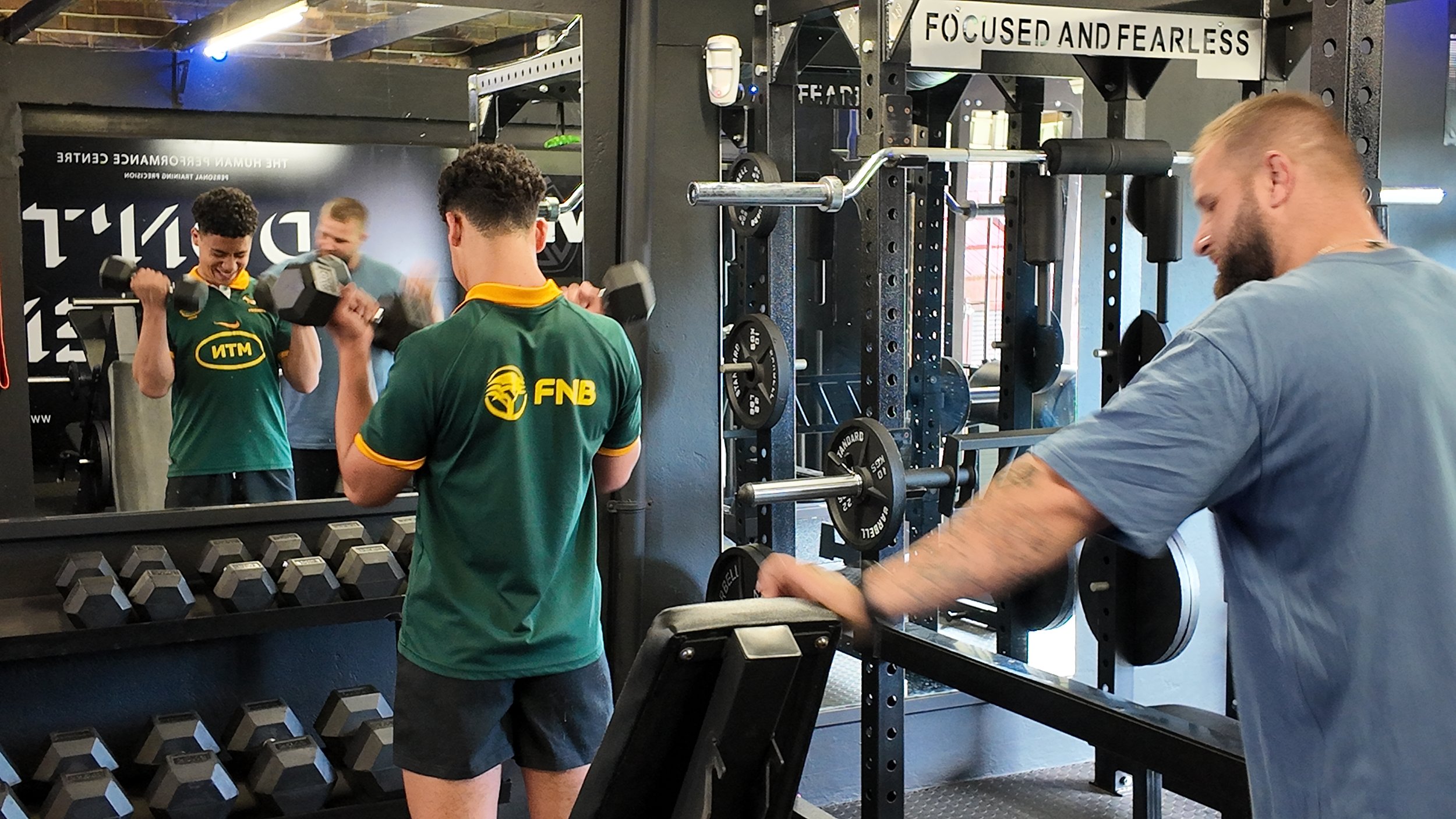
We read energy levels, movement quality, compensation patterns, stress levels, and recovery status.
We adapt the session accordingly.
We solve problems in real time, in any environment or training facility rather than forcing a predetermined outcome onto a body that's telling us something different.
The programme can be identical.
The execution never is.
And execution, in the end, is everything.
Every Recommendation Starts With Understanding the Individual
The HPC Framework is not a programme.
It is the process we use to understand the person in front of us. Before we prescribe training, address movement limitations, set performance goals, or make nutritional recommendations, we first assess. We look at structure and function, movement quality, history, lifestyle factors, and the Four Pillars that influence performance and health.
Because the right solution depends on the individual.
If you're serious about improving your health, performance, movement, or recovery, the next step is not a generic programme.
The next step is understanding where you are starting from.
Book an Assessment Consultation
Start with a professional assessment and discover what your body needs most right now.
