SPORTS PERFORMANCE TRAINING | ATHLETE DEVELOPMENT | ELITE PREPARATION
Sports Performance Training
Every athlete wants more speed, strength, power, explosiveness and resilience. At HPC, we start on a different level.
We assess how the athlete moves, compensates, recovers and performs under load. Then we build a training process around their sport, their body, their training age, their injury history and their performance goals.
Because athletes do not need harder training for the sake of it.
They need the right work, coached with precision, at the right time.
Who This Is For
For athletes who are serious about performance.
HPC Sports Performance is built for athletes who are coachable, disciplined, and serious about improving.
Professional Athletes
For athletes competing at a high level who need precise, supplementary performance training around their existing sport demands.
An athlete may be strong, talented, and experienced, but still have mechanical restrictions, compensation patterns, recovery gaps, or training inefficiencies that limit output.
HPC provides a high-standard training environment where athletes can refine the physical foundation behind their performance. We help professional and serious competitive athletes improve the qualities their sport demands while respecting their existing training load, schedule, and competition priorities.
We do not replace the sports coach. We support the athlete with expert-led strength, movement, and performance development so their body can better meet the demands of the sport.
Young Athletes
For school-age athletes who are ambitious, committed, and still developing physically. Young athletes do not need to be broken down with harder sessions. They need to be developed correctly.
We help young athletes build a stronger physical foundation through structured, coach-led performance training. We focus on movement quality, strength, coordination, confidence, control, and long-term development. HPC helps young athletes build strength, coordination, movement quality, confidence, and physical resilience in a way that respects their age, training level, and long-term development.
Parents of Young Athletes
For parents who want their child trained properly, not just pushed harder. They are training at school, competing on weekends, playing multiple sports, chasing selection and trying to keep up physically while their bodies are still developing.
We help parents understand what their athlete needs, where the gaps are, and how structured performance training can support safer, stronger, and more sustainable progress.
Schools, Clubs and Sports Professionals
For coaches, clubs and schools who want a higher standard of athlete development. HPC can support athlete assessments, performance training, development programmes, workshops and partnership opportunities for teams or groups that want a more professional approach.
Many schools and clubs have talented athletes, committed coaches and strong sporting ambition. But talent needs proper physical development. HPC works with athletes and sporting environments that want a more professional approach to performance training, movement quality, and long-term athlete development.
We can support schools, clubs, and teams through:
athlete assessments
performance training programmes
strength and conditioning support
movement and injury-risk education
workshops for athletes, parents or coaches
ongoing athlete development partnerships
The goal is simple:
Help athletes train better, move better and perform with a stronger foundation.

Most athletes are not limited by effort alone
Many athletes are already working hard.
They attend team practices. They compete on weekends. They do extra sessions. They push through fatigue because they want to improve. But when the body is not moving efficiently, more training does not always create better performance. In fact, when compensation occurs, it starts holding the athlete back.
Small compensations can change where the training stress goes. Poor positions can reduce force output. Weak links can limit speed, strength, agility, and confidence. Rushed warm-ups, generic programming, and poor recovery can make the problem worse.
The result is often the same: The athlete works harder, but progress slows down. This opens the door to injuries and setbacks.
At HPC, we do not treat that as a motivation problem. We treat it as a performance problem that needs to be assessed, understood, and coached correctly.
Signature Doctrine: Train correctly before you train harder.
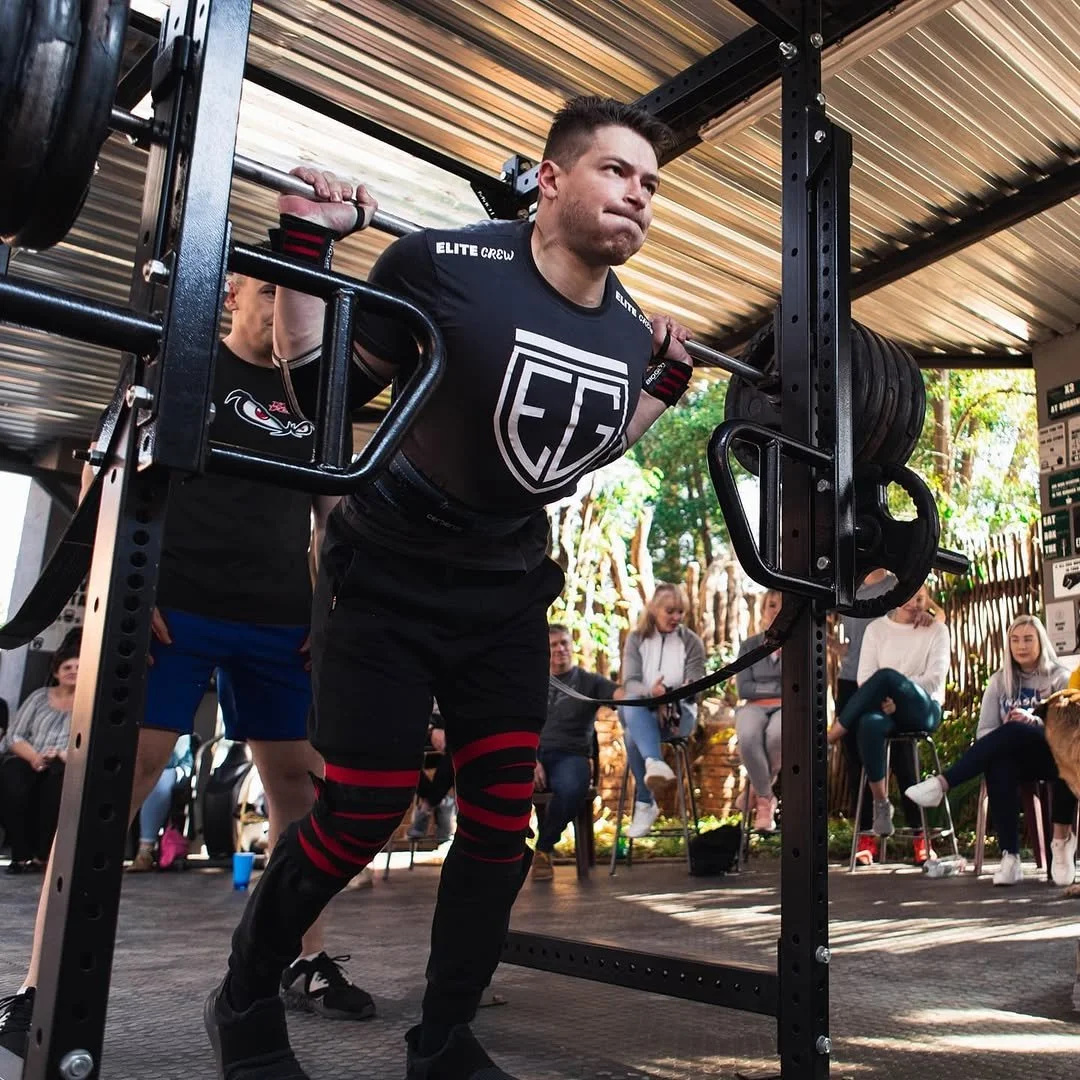
Hard training has its place.
But hard training without assessment, structure and technical precision can reinforce the same problems that are limiting the athlete.
At HPC, exercise selection is not random. Warm-ups are not filler. Strength work is not generic. Conditioning is not punishment.
Every part of the training process should serve the athlete’s performance.
Before we look at more volume, more intensity or more complexity, we ask a more important question:
Are we doing the right work for this athlete?
The HPC Difference: We train performance from the foundation up
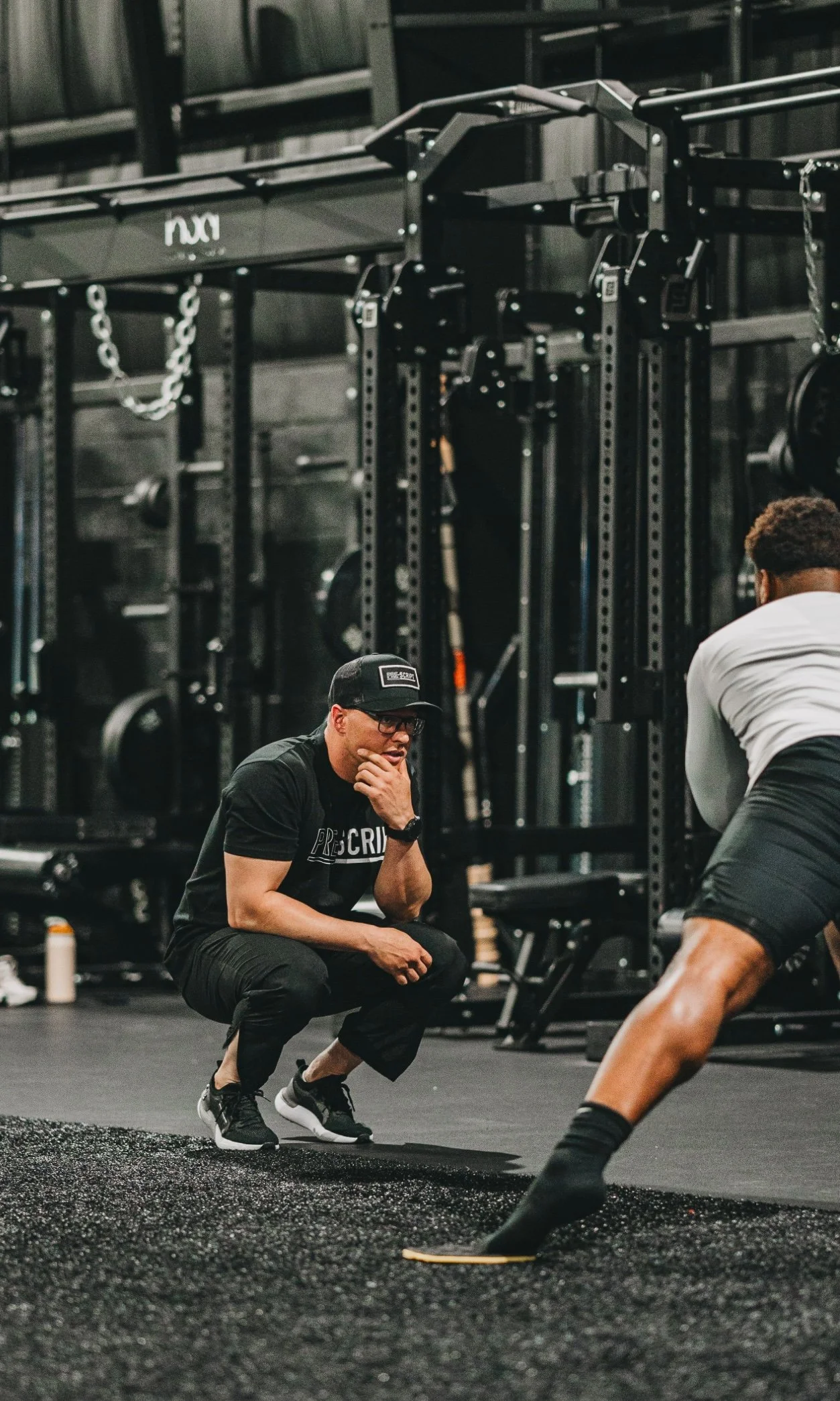
HPC Sports Performance exists for serious athletes who need more than a hard session.
We identify the physical, mechanical and performance factors that may be limiting the athlete, then build training around what the athlete actually needs.
This means we look at:
movement quality
strength and power development
speed, agility and acceleration
mobility and control
injury history and training tolerance
sport demands
competition schedules
recovery, nutrition, hydration and sleep habits
confidence and physical readiness under pressure
The goal is not to make the athlete tired or sweat more.
The goal is to help the athlete perform better.
The process from assessment to performance
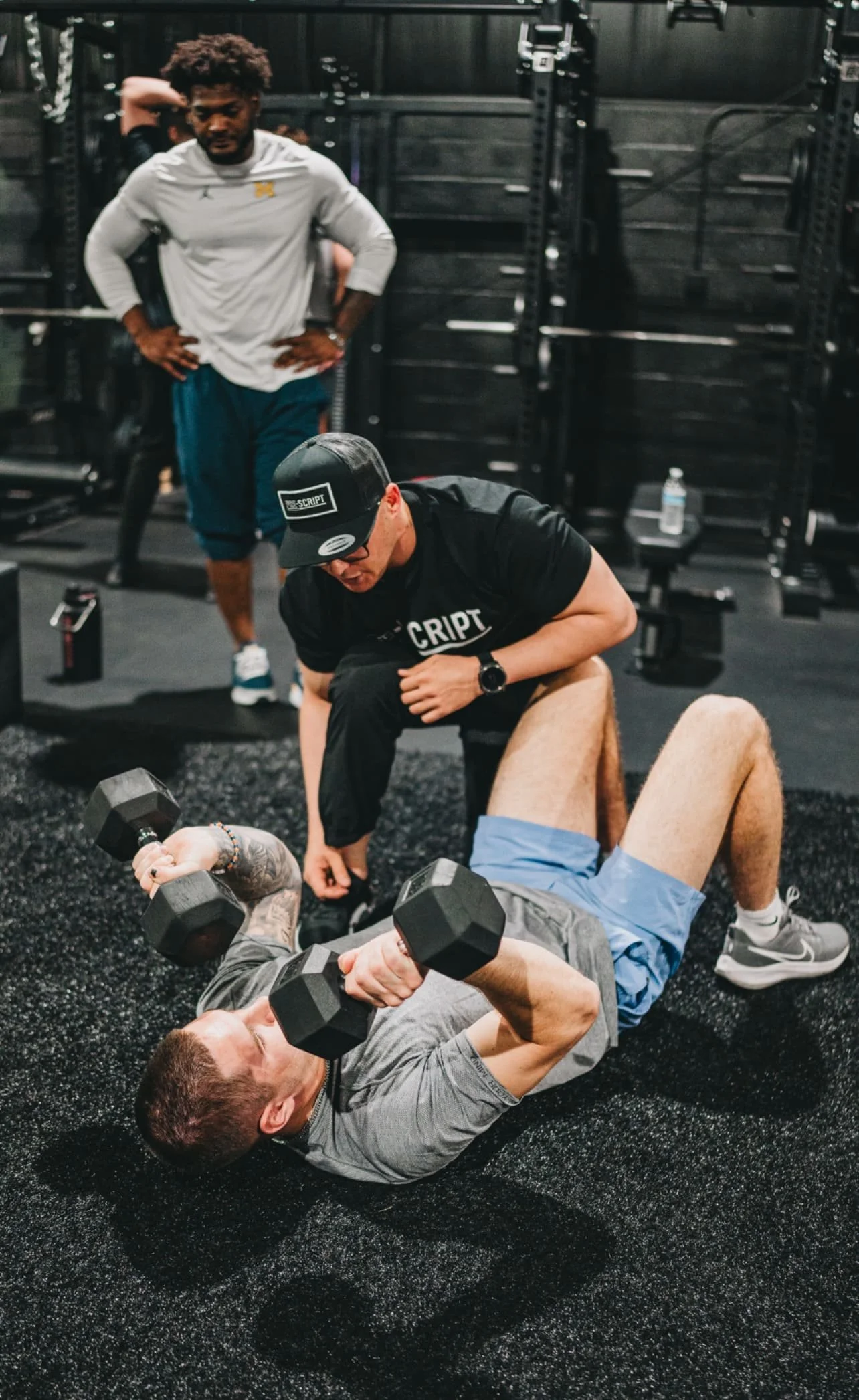
Step 1: Assessment
We start by understanding the athlete.
This includes their sport, goals, training history, injury history, current demands, movement patterns and performance limitations.
Step 2: Identify the Limiting Factors
We look for the subtle shifts, compensations and weaknesses that may be reducing output or placing unnecessary stress on the body.
Step 3: Build the Training Plan
We select exercises, loads, progressions and movement preparation strategies that match the athlete’s needs and sport demands.
Step 4: Coach the Execution
The athlete is coached through the work, not left to guess.
Technique, intent, control and quality matter.
Step 5: Progress the Athlete
As the athlete improves, the programme evolves.
We adjust the work according to performance, movement quality, competition demands and readiness.
Step 6: Keep Performance on Track
Progress is monitored, refined and corrected as needed.
The athlete keeps moving forward while the foundation improves.
What HPC Helps Athletes Improve
Athletic performance is not built from one quality.
It is the result of strength, power, speed, control, coordination, conditioning, recovery and technical movement quality working together under the demands of the athlete’s sport.
At HPC, we do not train these qualities randomly.
We assess how the athlete produces force, absorbs force, transfers force, controls position, manages fatigue and adapts to training. Then we build a programme that improves the qualities their sport demands while addressing the mechanical limitations that may be restricting progress.
This is where performance training becomes precise.
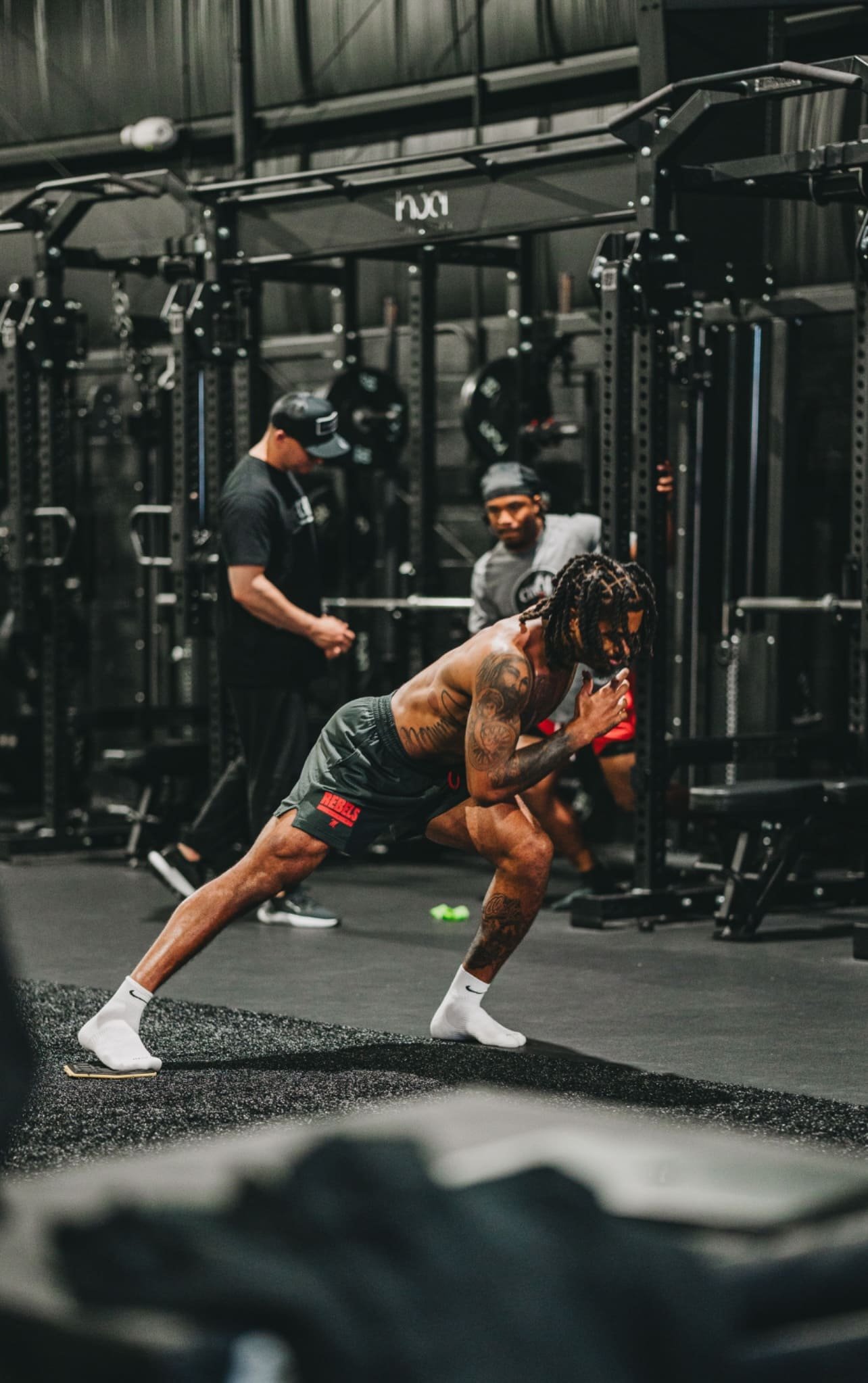
-
Every athlete needs the ability to produce force. Whether the goal is acceleration, jumping, contact strength, sprinting, swimming power, change of direction or repeated high-intensity effort, the athlete must be able to create force efficiently through the body.
At HPC, strength training is not treated as general gym work. We look at how strength supports the athlete’s sport, where force is being lost, and whether the athlete can produce force from the positions their sport actually demands.
-
Athletes do not only need to move fast. They need to stop, land, brake, absorb impact and redirect force without losing control.
Poor deceleration mechanics can affect agility, contact tolerance, landing quality, cutting ability and injury risk.
HPC develops the athlete’s ability to absorb and control force through proper strength, positioning, eccentric control and movement execution. This matters because many sports are not won only by how fast an athlete can move forward.
They are also won by how well the athlete can control the body when speed, pressure and fatigue are present.
-
Power is not just about lifting heavy or moving quickly. It is the athlete’s ability to express force at speed.
At HPC, power development is built on the athlete’s current strength base, movement quality, technical control and sport demands.
We look at whether the athlete can generate explosive output without leaking force through poor positions, compensations or inefficient mechanics.
The goal is not simply to make the athlete powerful in the gym. The goal is to build power that can support performance where it matters.
-
Speed is not only a conditioning quality. It is a technical and mechanical expression of posture, force, rhythm, coordination, stiffness, relaxation, timing and intent.
Agility is not just ladder drills. It requires acceleration, braking, reacceleration, body control, reaction, decision-making and the ability to move efficiently under unpredictable demand.
At HPC, we develop the physical qualities that support speed and agility instead of relying on drills that look athletic but do not address the athlete’s limiting factors.
-
Small compensations can create large performance consequences.
A shift, tilt, twist, restriction or poor position can change where the training stress goes. Instead of loading the intended tissues and positions, the athlete may start reinforcing inefficient patterns.
This can affect strength output, power transfer, mobility, confidence, fatigue management and long-term progress.HPC identifies these compensations during assessment and live exercise execution, then uses precise exercise selection, setup, loading and coaching to improve how the athlete moves under demand.
As the body adapts to movement, we make sure it adapts correctly. We do not chase perfect movement for appearance, we improve movement because poor mechanics can limit performance.
-
Athletes do not need mobility for the sake of mobility. They need access to the positions their sport requires, and they need the strength and control to own those positions.
At HPC, mobility work is not treated as endless stretching or excessive warm-up. We look at why the athlete is restricted, what positions matter for their sport, and how to build mobility that transfers into training and performance.
The goal is usable range. Range the athlete can control, load and express under pressure.
-
Fitness is not just about making an athlete tired. Different sports demand different energy systems, work-to-rest ratios, intensities and recovery patterns.
A rugby player, swimmer, footballer, runner, combat athlete and field-sport athlete do not all need the same conditioning strategy.
At HPC, conditioning is built around the athlete’s sport, training age, schedule and current physical capacity.
The goal is to improve the athlete’s ability to repeat high-quality efforts without technical breakdown, unnecessary fatigue or poor recovery.
-
HPC does not promise to prevent injuries. No responsible performance facility should.
What we do is help athletes build stronger, more resilient bodies that can better tolerate the demands of training and competition.
That includes strength development, movement quality, tissue capacity, load management, recovery habits, warm-up strategy, technical execution and better preparation for the positions and forces their sport requires.
For athletes returning from injury, HPC works within appropriate clearance and, where needed, alongside medical or rehabilitation professionals.
-
Sport-specific training does not mean copying the sport in the gym. It means understanding what the sport demands and building the physical qualities that support those demands.
At HPC, we consider the athlete’s position, sport, schedule, movement demands, injury history, strength profile, recovery capacity and performance goals.
Then we select training that has a clear reason behind it. The right exercise, load, range, and coaching.
That is where training starts to transfer.
-
Training is only one part of athlete development. An athlete’s body still has to recover, adapt and perform.
Poor sleep, poor nutrition, dehydration, high stress and unmanaged training loads can limit performance even when the programme is technically sound. Sleep disruption, in particular, is recognised as a meaningful issue for elite athletes because it can affect recovery, training and performance.
At HPC, athlete development is supported through our Four Pillars:
Sleep. Water. Nutrition. Training.
Because performance does not only happen during the session. It is built through the habits that allow the athlete to adapt to the work.
-
Athletes don’t just grow stronger, they change. Their bodies adapt. Their seasons shift. Their fatigue changes. Their sport demands fluctuate.
That means the programme cannot stay static. HPC monitors how the athlete responds to training, how movement quality changes, where progress is happening and where limitations still show up.
From there, we adjust the programme with intent. Not because variety looks impressive. Because the athlete’s body is giving us information.
There is no room for trial and error in athlete development
At HPC, we do not believe in random programming, careless intensity or training athletes into the ground just to prove they worked hard.
The best coaches are not the ones with the biggest library of exercises. They are the ones who know what to use, when to use it, why it matters and how to coach it properly. That is the standard behind HPC Sports Performance.
We assess first. We coach precisely. We build the athlete from the foundation up.
Whether you are a professional athlete, a young athlete, a parent, a coach or a school, HPC Sports Performance starts with understanding the athlete in front of us.
No templates. No guesswork. No training harder before we know what needs to be trained better
Choose Your Athlete Support pathway
Every athlete begins with an assessment. Training recommendations are based on the athlete's goals, competition demands, training history, movement quality, and current needs. The appropriate pathway is recommended following the assessment process.
| Sports Performance Pathway | Investment | Includes | Designed For |
|---|---|---|---|
| Foundation | R 6,999 per 12-week cycle |
|
Developing athletes, school athletes and youth competitors looking to build strength, movement quality, athletic foundations and long-term performance capacity. |
| Performance | R 9,999 per 12-week cycle |
|
Competitive athletes and serious performers seeking a more individualized approach to performance development, movement efficiency and sport-specific preparation. |
| Elite | R 12,999 per 12-week cycle |
|
High-performance and professional athletes requiring the highest level of coaching oversight, individualized programming and performance support. |
| Custom Athlete Development Solutions | Custom Quotation |
|
Schools, clubs, academies, teams and sporting organisations seeking structured athlete development support at scale. |
Availability Notice: All pathways are subject to coach availability, athlete suitability and training slot availability.
Recovery & Sports Massage
Training creates adaptation. Recovery supports it.
For clients who require additional recovery support, HPC offers sports massage and soft tissue treatment services through our in-house therapist.
These sessions can be used to assist with muscle tension, recovery between training sessions, general soft tissue maintenance, and preparation for demanding training or sporting events.
Sports massage is not a replacement for proper training, programming, sleep, nutrition, or recovery habits. It is simply one of the tools that can support the overall process.
Available Services
Full Body Massage (90 min) – R630
Full Body Massage (60 min) – R500
Back, Neck & Shoulder Massage (45 min) – R350
Lower Back & Glutes Massage (45 min) – R350
Legs Front & Back Massage (45 min) – R350
Foot Massage (30 min) – R230
Hands & Arms Massage (30 min) – R230
Sports Strapping – From R50 to R300
Interested in booking a recovery session?
FAQS FOR Serious Athletes and Parents
-
Yes. HPC is based in Noordheuwel, Krugersdorp, and works with athletes from the West Rand and surrounding areas. With HPC Online, we are able to help athletes internationally.
Our Sports Performance division supports serious athletes, parents, schools, clubs and sports professionals who want a more structured, expert-led approach to athlete development.
The location may be local. The standard is not. The best part is that through our app, everyone has access to HPC-level training.
-
No. HPC works with athletes at different levels, from ambitious young athletes to high-level and professional athletes. The requirement is not a specific title or level of competition. The requirement is seriousness.
HPC Sports Performance is for athletes who are coachable, disciplined and willing to follow a structured process. The level may differ. The mindset cannot.
-
School sport training is important, but it is often group-based and focused on the demands of the team or sport. HPC looks at the individual athlete.
We assess movement quality, strength, control, training history, recovery capacity and physical limitations that may be missed in a school or club environment. The goal is not to simply add more training. The goal is to make the athlete’s physical development more precise.
-
No. HPC does not replace the athlete’s technical sport coach. We support the physical qualities behind performance, including strength, speed, power, mobility, control, conditioning, recovery, and movement quality.
The sport coach develops technical and tactical ability. HPC strengthens the body behind that performance so the athlete can better meet the physical demands of their sport.
-
Yes, but multi-sport athletes need to be managed carefully. Different sports place different demands on the body. One sport may require contact strength and repeated sprinting. Another may demand rotational power, shoulder capacity, endurance, or change of direction.
HPC helps identify what the athlete needs most so training becomes structured, not random. The goal is to build a body that can better tolerate and perform across those demands.
-
There is no single age that applies to every athlete. It depends on the athlete’s maturity, coordination, sport demands, training history and coachability. Young athletes do not need adult-style training. They need age-appropriate strength, movement, coordination, control and confidence development.
At HPC, the goal is not to rush the athlete. The goal is to build the foundation properly.
-
Strength and performance training can be valuable for young athletes when it is coached correctly, progressed intelligently and matched to the athlete’s current ability.
At HPC, young athletes are not thrown into random heavy lifting, excessive conditioning or punishment-style training.
We assess first, coach closely and prioritise movement quality, control, strength, coordination and long-term development.
-
HPC does not diagnose or treat injuries. If an athlete is injured, they must first be cleared by the appropriate medical or rehabilitation professional.
We have an excellent referral network as we work closely with trusted, reputable medical practitioners. If an athlete is injured, they must first work with the appropriate medical or rehabilitation professional and receive clearance where needed.
Once the athlete is ready to train, HPC can help rebuild strength, movement quality, control, load tolerance, and physical confidence through structured performance training.
-
We do not prescribe extra work blindly.
HPC considers the athlete’s current schedule, training load, competition demands, recovery capacity, injury history, and performance goals before building the training direction.
In-season, off-season, and pre-season training should not look the same. The goal is to improve the athlete without adding unnecessary fatigue or interfering with sport performance.
-
Both, but the approach changes. Off-season training usually allows more room for development, strength building and focused improvement. In-season training must be more precise because the athlete already has practices, matches, travel, fatigue and competition pressure.
The goal during the season is not to overload the athlete. The goal is to keep performance qualities sharp, manage the foundation and support the athlete without adding unnecessary fatigue.
-
Sport-specific training does not mean copying the sport in the gym.
It means understanding what the sport demands from the athlete’s body, then building the physical qualities required to support those demands.
At HPC, this may include force production, deceleration, acceleration, rotational power, mobility, strength, conditioning, control, repeat-effort ability, and recovery. The training must serve the sport. It should not just look athletic.
-
Yes. Many high-level athletes already have sport coaches, team structures or technical specialists.
HPC supports the athlete’s physical preparation without interfering with that structure.
We focus on the body behind the performance: strength, power, control, mobility, conditioning, movement quality, recovery and physical readiness. The goal is to complement the athlete’s existing training environment, not compete with it.
-
Yes. Training an athlete without understanding their body, sport demands, injury history, current limitations and performance goals is guesswork.
The assessment helps HPC identify what the athlete needs before building the programme. It also helps us see whether the athlete is the right fit for our process.
At HPC, assessment is not a formality. It is part of the standard.
HPC’s environment is supported by professional education, recognised registration, selected suppliers, and specialist providers who contribute to the standard we expect from our coaching, facility, equipment, and client experience.
From trainer development and industry registration to the products and equipment used inside our facility, every part of HPC is chosen to support a serious performance environment.