
ADVANCED COACH EDUCATION | THE HOUSE OF TRAINERS | ADVANCED PERSONAL TRAINING EDUCATION & DEVELOPMENT
Personal Training Precision
Develop the Ability to Think Like a Coach And Train Anyone With Confidence
A practical biomechanics and coaching system built for trainers, coaches, and practitioners who want to move beyond certification-based learning and develop real-world decision-making ability.
Not a beginner certification. Not passive theory. Not for casual learners.
Built from the methodology of HPC
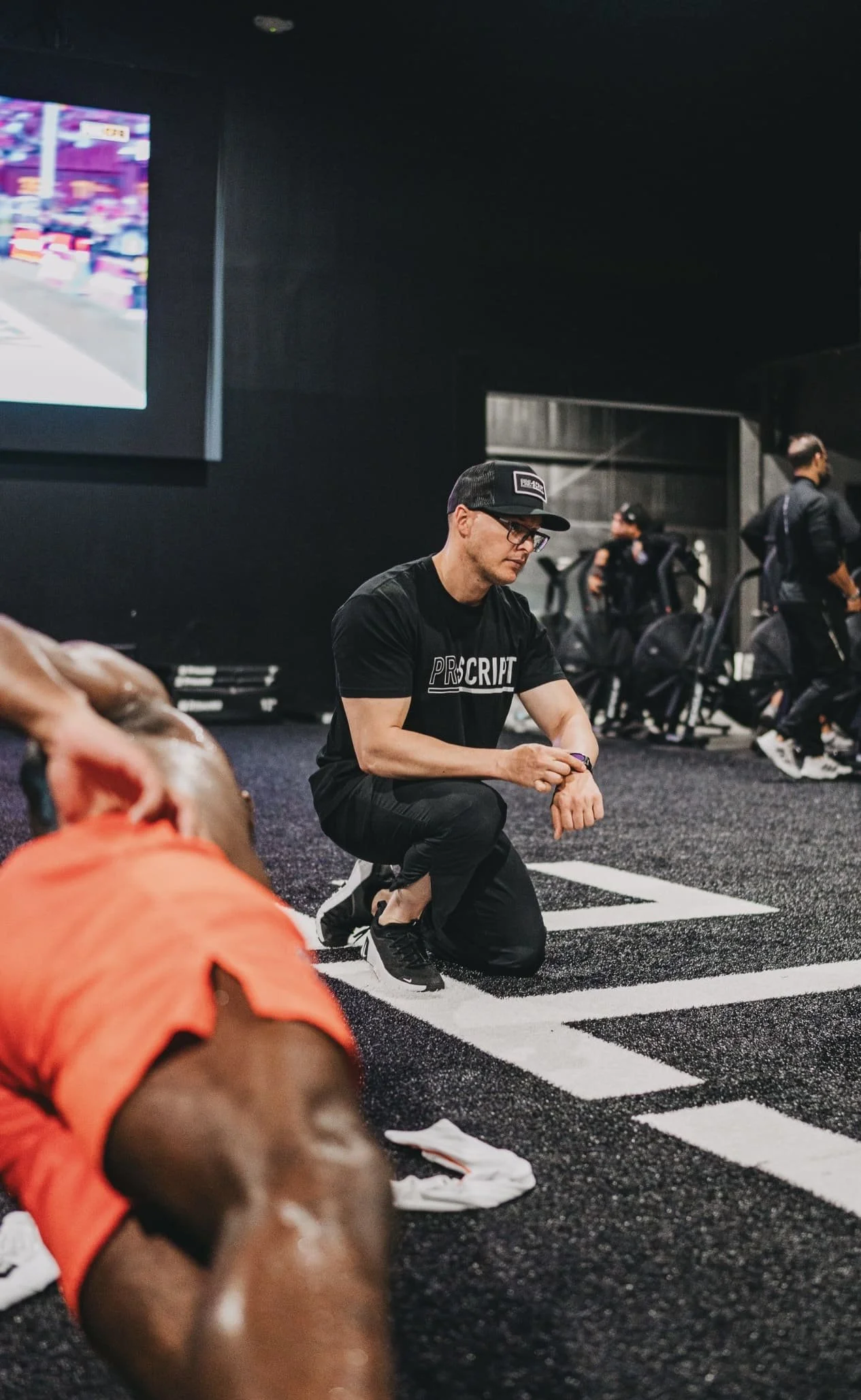
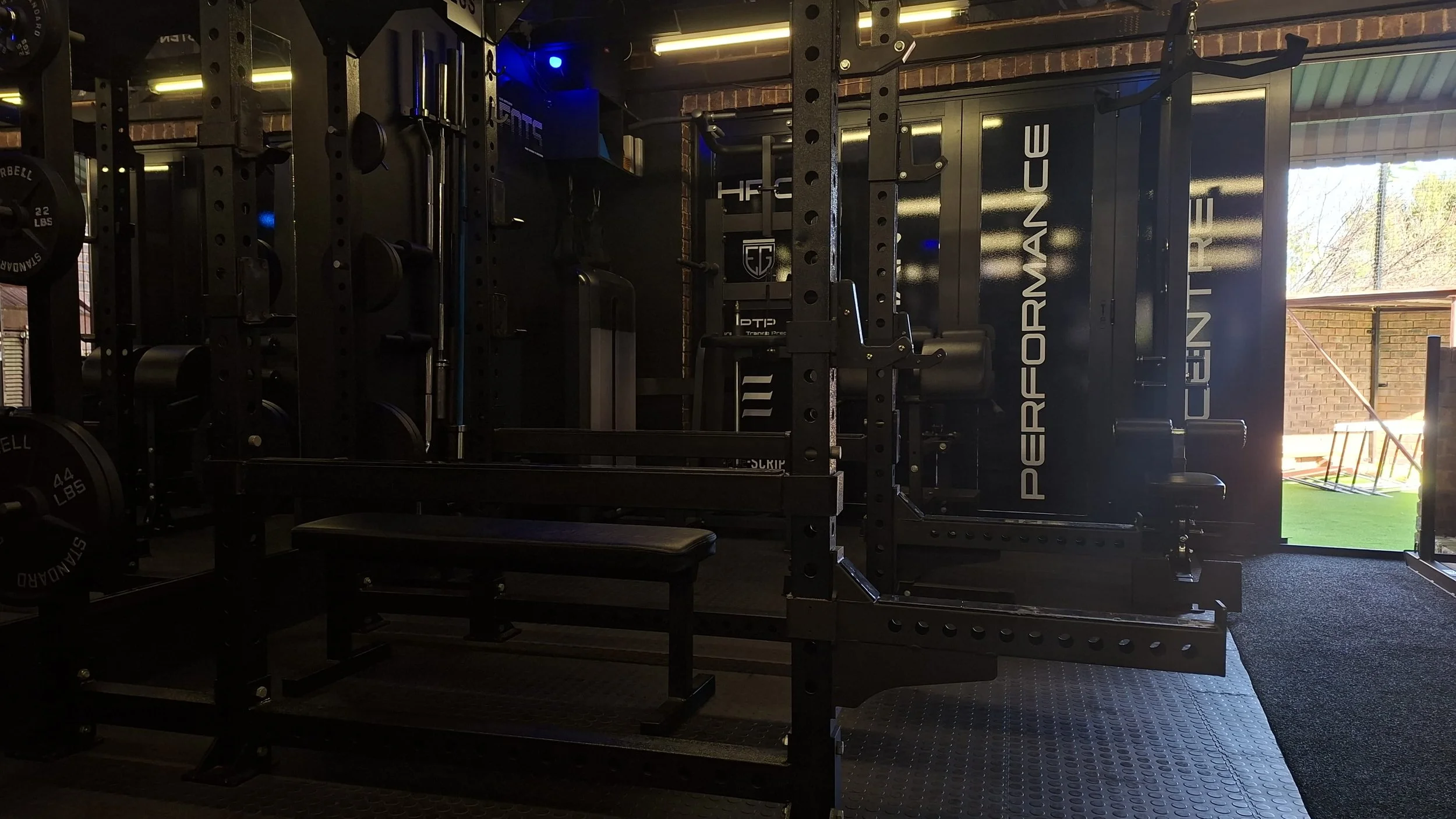
Personal Training Precision is developed through the applied coaching system of The Human Performance Center. This is what we bring to the table.
It exists to close one gap in the industry:
The gap between knowing information and being able to coach under real conditions.
The problem with most personal training education
Most personal training courses produce the same outcome:
Trainers who follow programs they do not fully understand
Coaches who struggle to assess movement accurately
Programming based on templates instead of real observation
Over-reliance on certification instead of applied competence
The result is an industry full of qualified trainers — but a shortage of capable coaches.
Coaching is not information. It is decision-making.
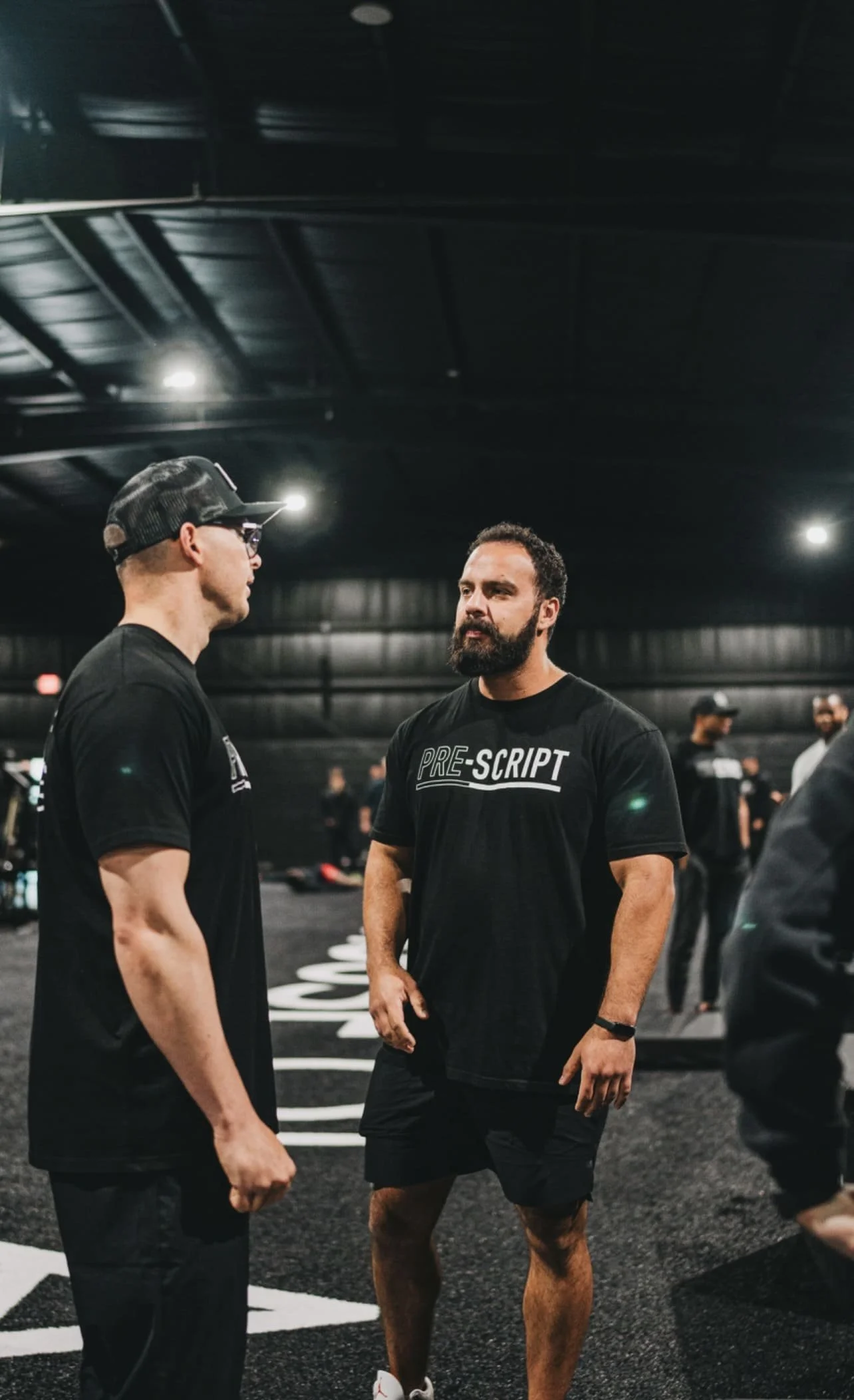
PTP is built on a simple principle:
If you cannot think under load, you cannot coach.
Real coaching requires:
Clear observation under pressure
Accurate interpretation of movement
Logical programming decisions
Real-time adaptation based on response
Communication that guides action, not confusion
PTP develops these abilities systematically.
Who this is for
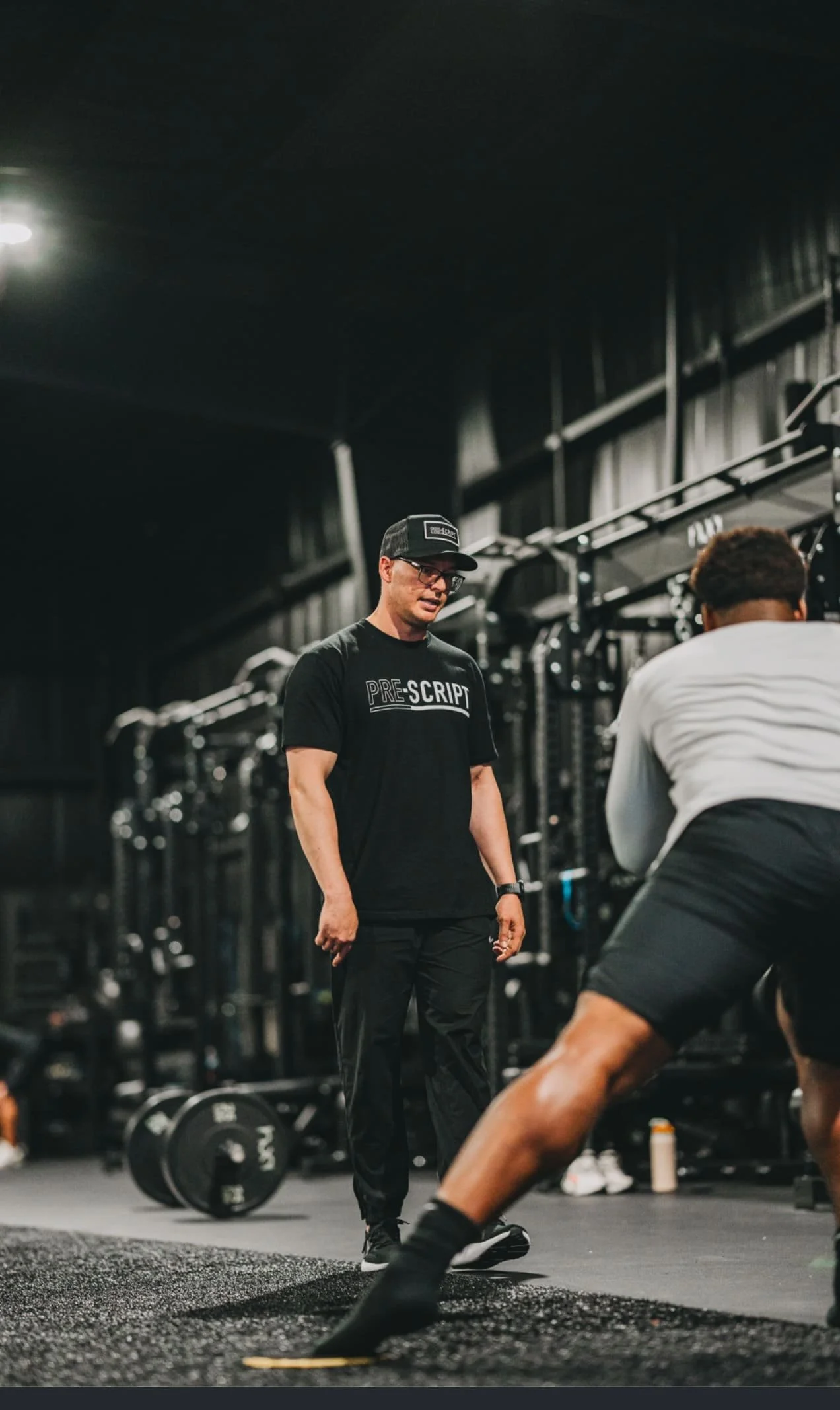
PTP is designed for individuals who are serious about coaching development and ready to move beyond surface-level education.
This is for you if you:
Already train clients but feel limited in your understanding
Rely heavily on programs without fully understanding their structure
Want deeper applied biomechanics and anatomy knowledge
Want to progress into strength and conditioning or performance coaching
Are committed to improving your coaching decision-making ability
This is NOT for you if you:
Are looking for a quick certification to start training clients
Prefer passive learning without application
Are not open to correction or structured challenge
Want theory without real-world coaching exposure
What you will learn
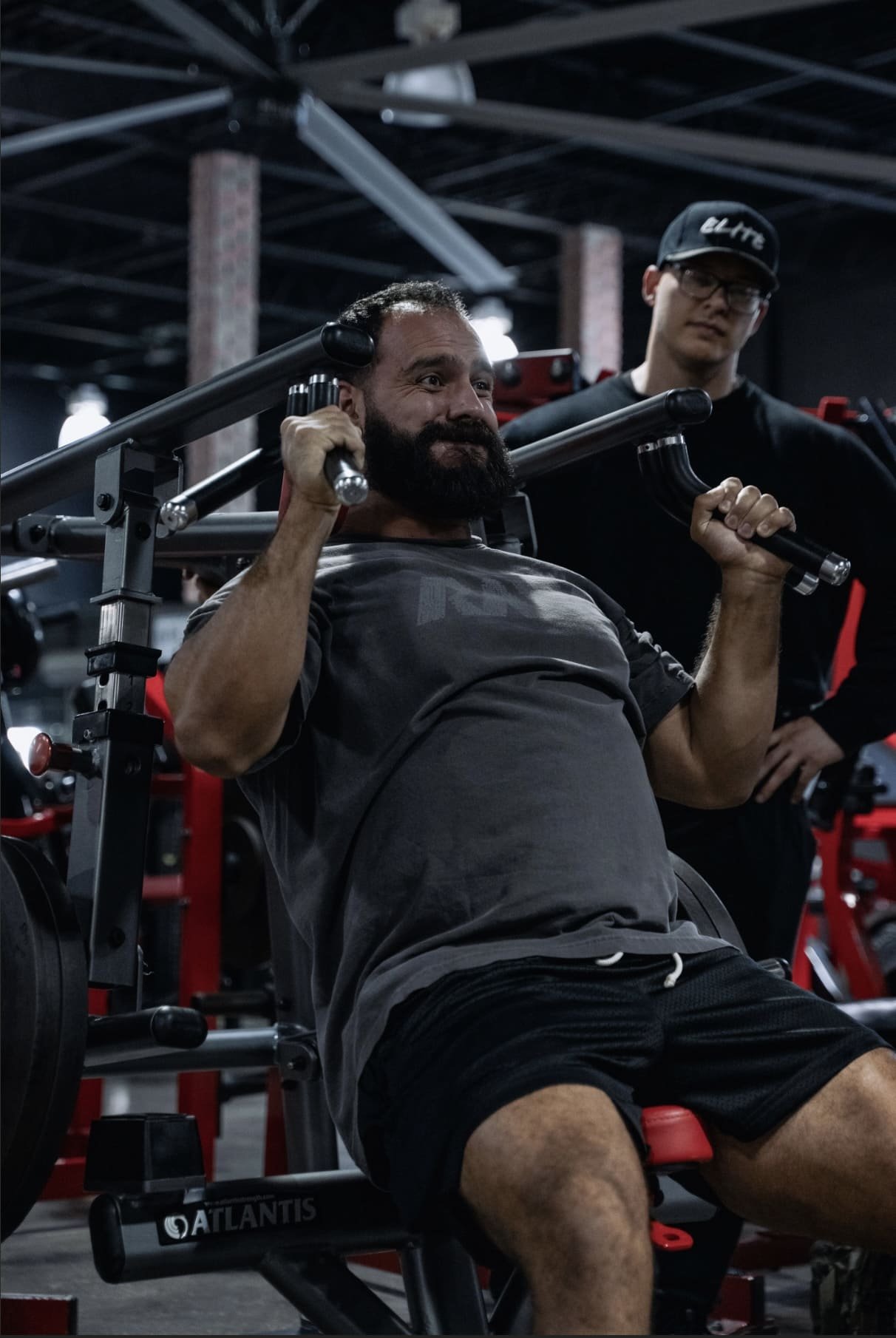
PTP is structured around applied coaching competence, not theoretical knowledge.
Applied Biomechanics for Coaches
How the body produces, transfers, and controls force in real human movement.
Functional Anatomy in Practice
Understanding muscle function as it appears in real training environments, not isolated diagrams.
Assessment & Observation Systems
How to identify movement limitations and performance constraints with clarity and purpose.
Programming Logic & Progression Design
How to build adaptive training systems based on response, not assumption.
Real-Time Coaching Decision Making
How to adjust training variables during sessions based on what the client is actually doing.
What makes PTP different

Most education teaches you what to do.
PTP develops how you think.
Not template-based programming
Not passive theory consumption
Not certificate accumulation
Instead:
Decision-making under real conditions
Applied understanding of human movement
Coaching clarity in real time
Correction, refinement, and progression under supervision
This is the difference between a qualified trainer and a capable coach.
The expected outcome
After completing PTP, a coach should be able to:
Assess a client without guessing
Understand why a programme is structured a certain way
Adjust training based on real response, not routine
Communicate clearly and confidently with clients
Operate independently in real coaching environments
This is the standard.
Programme pathways
PTP is structured in progressive levels to match development and readiness.
PTP 1 — Foundations of Elite Coaching
Build core coaching competence.
Movement foundations
Biomechanics basics
Client assessment systems
Communication and cueing
Programme design principles
Practical coaching evaluation
Outcome: You begin to see movement instead of guessing.
R18,499
12-week coach development programme.
PTP 2 — Advanced Coaching & Human Performance
Develop applied performance capability.
Advanced biomechanics and functional anatomy
Strength, speed, and hypertrophy programming
Load management and injury risk awareness
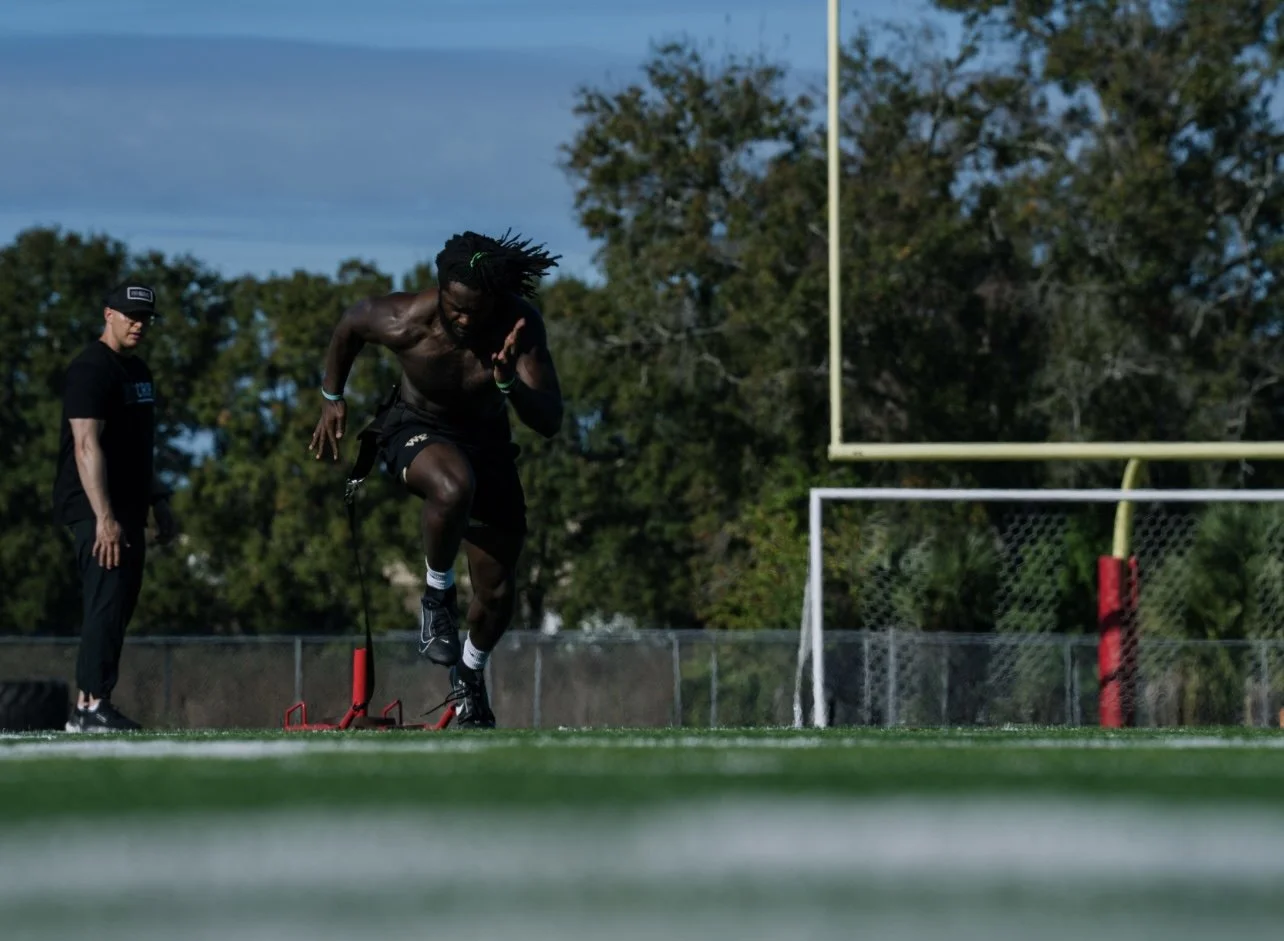
Sprint and performance coaching principles
Coaching youth, athletes, and general populations
Systems for progression and client retention
Outcome: You begin coaching with structure, logic, and intent.
R27,499
12-week advanced development programme.
HPC Coach Certification
Full integration into applied HPC systems and environment.
Applied coaching methodology inside HPC systems
Structured mentorship and practical development
Live coaching exposure and evaluation
Shadowing and guided application
Career and professional development pathways
Outcome: You operate within a real performance coaching environment.
R49,999
16-week immersive certification and mentorship pathway.
Shadowing & Mentorship Pathways
Coaching cannot be developed in isolation.
PTP includes structured practical exposure through:
Shadowing sessions inside live coaching environments
Mentored application of coaching decisions
Residency-style development pathways
Supervised practical coaching hours
This is where theory becomes competence.
Available for coaches seeking practical exposure, guided mentorship, and coaching hours.
Investment varies depending on the chosen pathway and duration.
Application required.
Admission is selective. Pricing is transparent. Acceptance is not automatic. Every applicant is evaluated based on intent, coachability, and commitment to development.
Admission & Application
PTP is designed for individuals who are serious about developing their coaching ability and willing to be challenged in the process.
While programme investment is transparent, admission is not automatic.
Every application is reviewed based on:
Coaching experience and background
Commitment to professional development
Willingness to learn, adapt, and be coached
Alignment with the standards and philosophy of PTP
We are not looking for the highest number of applicants.
We are looking for the right applicants.
Ready to Develop Real Coaching Competence?
If your goal is simply to collect another certification, PTP is probably not the right fit.
If your goal is to deepen your understanding, sharpen your decision-making, and develop the practical skills required to coach at a higher level, we invite you to apply.
Submit your application below and tell us about your background, experience, and coaching goals.
Every application is personally reviewed before acceptance.
The standard is high. The expectation is commitment. The outcome is a better coach.
faqs for aspiring ptp students
-
Many trainers enter the industry with a qualification but limited exposure to assessment, biomechanics, programme design, and real-world coaching decision-making. Understanding exercises and understanding people are not the same thing. PTP is designed to bridge that gap by helping coaches develop the practical thinking skills required to coach with greater confidence and clarity.
-
Effective programme design is not about finding the perfect template. It is about understanding the individual in front of you, identifying priorities, and making appropriate decisions based on their goals, movement quality, training history, and response to training. PTP teaches the principles and thought processes behind effective programming rather than relying on one-size-fits-all solutions.
-
Yes. Many coaches struggle with confidence because they lack certainty in why they are making specific recommendations. Confidence does not come from memorising information. It comes from understanding the reasoning behind your decisions. PTP focuses on developing the knowledge and decision-making frameworks that allow coaches to communicate and coach with greater conviction.
-
PTP is built for individuals who want to go beyond minimum industry standards. Whether you are aspiring to enter the industry or already working with clients, the focus is on developing a deeper understanding of movement, assessment, programme design, and coaching principles that can support long-term professional growth.
-
People respond differently to training based on factors such as movement competency, injury history, lifestyle, recovery capacity, training age, and individual goals. One of the most important coaching skills is learning how to adjust your approach based on the person rather than blindly following a plan. PTP develops this ability through assessment-based thinking and practical coaching application.
-
Assessment is not about finding flaws. It is about gathering useful information that can improve coaching decisions. PTP teaches coaches how to observe movement, identify meaningful patterns, and use that information to guide exercise selection, programme design, and progression strategies.
-
Biomechanics provides the foundation for understanding how the body moves, produces force, and responds to training. While coaches do not need to become academics, a practical understanding of biomechanics helps improve exercise selection, coaching cues, movement analysis, and programme design. It allows coaches to move beyond guesswork and make more informed decisions.
-
Knowledge is important, but knowledge alone is not enough. Great coaches can observe, assess, communicate, adapt, and make effective decisions in real time. They understand when to progress, when to regress, when to challenge, and when to adjust. PTP is designed to develop these coaching abilities through practical application and deeper understanding.
-
Clients are more likely to trust coaches who can explain their reasoning, answer questions confidently, and adapt training to their individual needs. Developing a deeper understanding of movement, performance, and coaching principles helps create the confidence and competence that clients naturally recognise and value.
-
The most successful coaches view education as an ongoing process rather than a final destination. Continuing to develop your understanding of biomechanics, anatomy, assessment, programme design, and coaching systems allows you to refine your skills, improve client outcomes, and raise your professional standard over time. PTP exists to support that next stage of development.
