
PERFORMANCE THINKING FROM THE HPC COACHING FLOOR
HPC Insights & Articles
Most fitness information online is recycled, oversimplified, or pulled from contexts that don’t match real people training in the real world. That’s not how we operate at HPC.
Everything here comes from actual coaching environments — athletes in-season, off-season rebuilds, working professionals trying to perform under pressure, and parents trying to make sense of what their kids actually need. The principles stay consistent: sleep, water, nutrition, and training — applied properly, not theoretically.
These articles are written to give clarity where there is usually confusion. Not to entertain, not to follow trends, and not to oversell ideas that don’t hold up under assessment. If something is written here, it’s because it has been tested, applied, and seen repeatedly in real coaching scenarios.
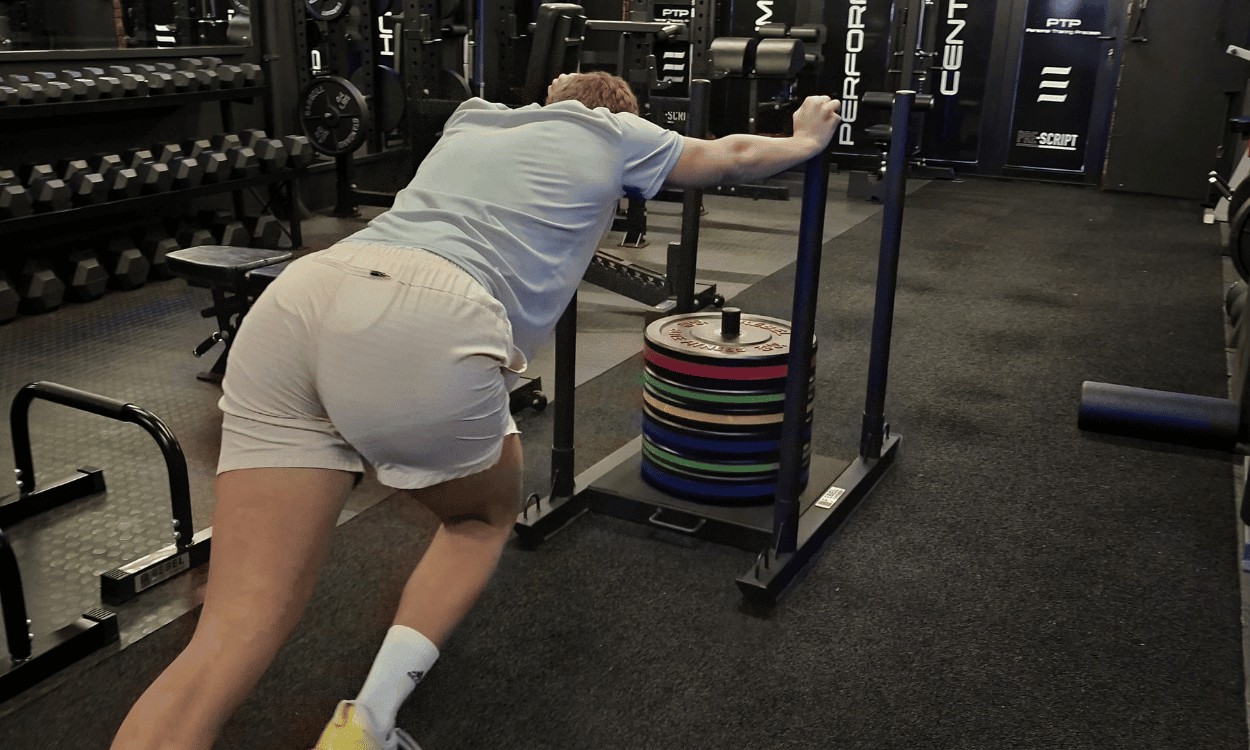
Cardiovascular Conditioning: Why There Is No Perfect Cardio Workout
The human body has an extraordinary ability to move through its environment and exchange gases with it.
Movement allows us to perform physical work. Breathing allows us to take in oxygen and remove carbon dioxide. The cardiovascular system transports oxygen to working tissues and helps support the demands of exercise.
These systems work together every time we move.
Yet when it comes to cardiovascular conditioning, the conversation is often reduced to a much simpler question:
What is the best cardio workout?
Is it running?
Cycling?
HIIT?
Zone 2?
Swimming?
The problem is that there isn't one answer.
The most appropriate cardiovascular training depends on what you are trying to improve, what you can currently tolerate, what you are already doing, the demands you need to meet and how you respond to training.
A workout that is appropriate for one person may be inappropriate for another.
This is why effective cardiovascular conditioning isn't simply about choosing an exercise and working harder.
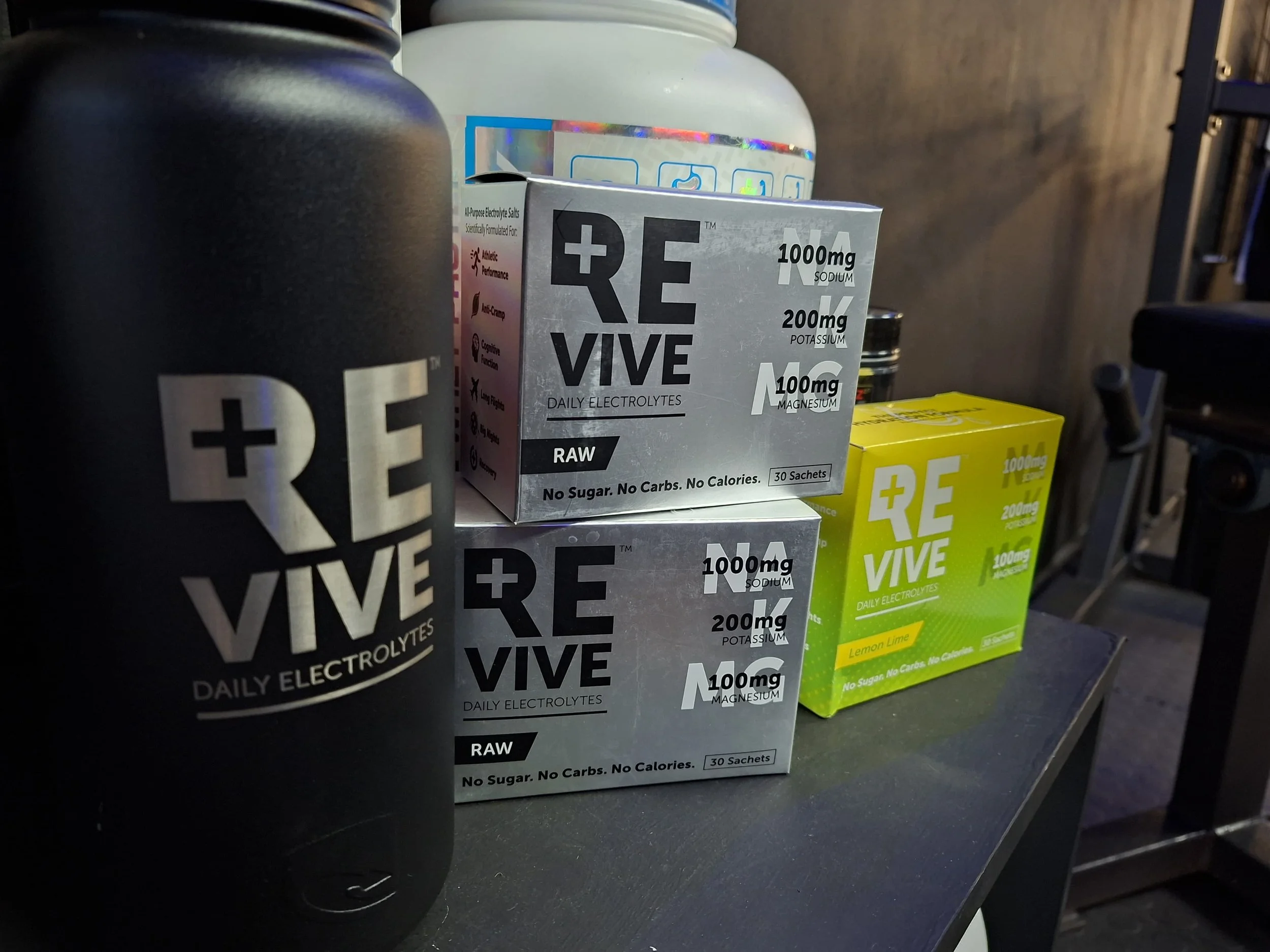
Understanding Electrolytes
Most people think staying hydrated is simple. Drink more water. Carry a water bottle. Aim for eight glasses a day.
Yet you've probably experienced days where you've done exactly that and still felt fatigued, struggled through a workout, battled a persistent headache, developed muscle cramps, or simply couldn't perform the way you expected.
If that sounds familiar, the missing piece may not be water at all.
One of the most common misconceptions in health and fitness is that hydration is measured by how much water you drink. In reality, effective hydration depends on how well your body can absorb, distribute, retain, and use the fluid you drink.
That process depends on far more than fluid intake alone. It depends on an intricate balance of minerals called electrolytes—the silent regulators behind muscle contractions, nerve signalling, recovery, fluid balance, and countless other physiological processes that influence how you move, think, recover, and perform.

Why Training Is About More Than Fitness
Long before you experience pain, lose strength or feel your energy decline, your body has already begun adapting to how you move—or how little you do.
Every day, your muscles, joints, nervous system and metabolism are responding to the demands you place on them. They are constantly learning, adjusting and preparing for whatever you repeatedly ask of them.
The question isn't whether your body is adapting.
It's whether it's adapting in your favour.
At The Human Performance Centre, we believe training is about far more than exercise. It is the deliberate process of improving the way your body produces, absorbs and controls movement so that every system can function more efficiently. Whether you are an athlete, a business professional, a parent, or simply someone who wants to age well, strategic training provides benefits that extend far beyond the gym floor.

The Scale Doesn't Tell the Whole Story
Numerous factors can influence fluctuations in weight, ranging from 1-3 kg within a single day!
At HPC, one of the most common concerns we hear from clients is that their weight seems to change dramatically overnight despite remaining consistent with their nutrition and exercise habits. Understanding what drives these changes can help you make better decisions, avoid unnecessary frustration, and focus on long-term progress rather than short-term numbers. Here are some of the most common causes of daily weight fluctuations.
